
Identifying roof problems early is one of the smartest steps a homeowner can take to protect their investment. Many wait until leaks or visible damage appear, and by that point, repairs can cost thousands more. By learning how to spot subtle signs both inside and outside the home, you can address issues before they escalate, extend your roof’s lifespan, and save significant money on costly replacements. This guide walks you through everything you need to know to stay ahead of potential problems.
Why Identifying Roof Problems Early Matters (The Real Cost Breakdown)
Minor Repair vs. Full Replacement
| Roof Issue | Early Repair Cost | Late Replacement Cost |
|---|---|---|
| Small shingle crack | $150–$400 | $7,000–$10,000 |
| Flashing leak | $200–$500 | $8,000–$12,000 |
| Minor underlayment damage | $300–$600 | $10,000–$15,000 |
Even small problems escalate quickly: a tiny crack allows water in → moisture accumulates → mold develops → structural damage occurs → total replacement required.
Lifespan Impact
Early detection doesn’t just save money, it adds years to your roof’s life. A roof inspected and maintained every year can last 5–10 years longer than one left unchecked.
Know Your Roof Type First
Different roofing materials show different early warning signs, and identifying your roof type is the first step in proactive maintenance. For asphalt shingles, look for granule loss, which is often visible in gutters or on the shingles themselves. Edges may curl or crack, and the shingles can become brittle, breaking easily when pressed. Metal roofing shows early signs in different ways: rust spots often appear first at seams, panels may begin to separate, and fasteners like nails or screws can corrode over time.
Flat or low-slope roofs often reveal problems through ponding water that doesn’t drain within 48 hours, membrane bubbling that indicates trapped moisture, and seam lifting where the edges of roofing material start to peel. Tile roofs, whether clay or concrete, can develop hairline cracks that slowly expand, broken tiles from wind or freeze-thaw cycles, and mortar deterioration along ridge caps. Finally, wood shake roofs often show splitting along the grain, dark streaks from water staining indicating rot, and moss growth that penetrates the wood fiber.
Exterior Warning Signs (Roof-Level Inspection)
Assessing your roof from the outside can reveal early warning signs before serious damage occurs. Missing, cracked, or curling shingles are a medium-severity issue, and action should be taken within about 30 days. Granule accumulation in gutters is another medium-level warning, signaling aging shingles. High-severity problems include sagging or uneven rooflines, which require immediate professional attention. Damaged or lifted flashing around chimneys, vents, or skylights also indicates potential leaks.
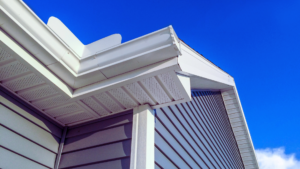
Moss, algae, or lichen growth, while sometimes overlooked, can trap moisture and accelerate decking damage. Similarly, damaged soffits, fascia, or eaves often serve as early indicators of roof leaks and water intrusion.
Interior Warning Signs (Room-by-Room Guide)
Many roof issues first manifest inside your home, often in subtle ways. In the attic, dark staining on sheathing, soft spots on decking boards, small holes allowing light penetration, musty or moldy odors, and wet patches in insulation are all signs of roof problems. On top-floor ceilings, homeowners should watch for water rings, bubbling paint, or sagging drywall. Following the path of water stains can help trace the source of leaks. Walls near the roofline may show peeling or blistering from moisture intrusion.
Even energy bills can be an indicator: unexpected spikes may suggest ventilation or insulation issues related to roof damage. Additionally, musty odors throughout the home can point to hidden roof moisture, sometimes before any visible signs appear.
Storm-Specific Damage Checklists
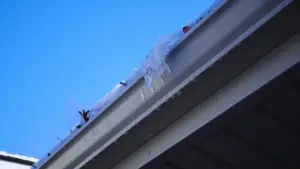
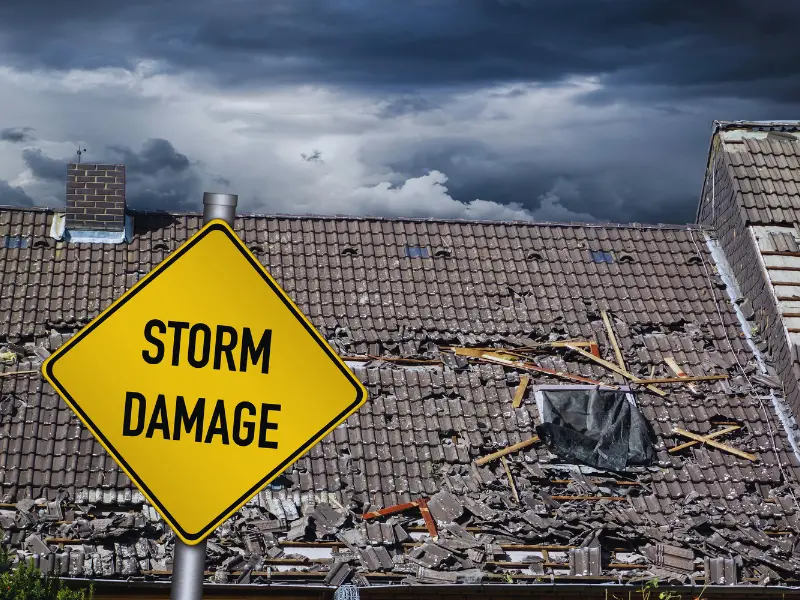
Different types of storms leave distinct damage patterns on roofs, and knowing what to inspect after each event is crucial. After heavy wind, check ridge caps, edge shingles, and flashing for displacement or damage. Hail can create dimpling, bruised shingles, or displaced granules, which may be mistaken for normal wear. Heavy rain calls for an inspection of valleys, gutters, and downspouts for overflow signs. Winter or ice events may cause ice dams, icicle damage, or freeze-thaw cracking. Extreme heat can lead to thermal expansion cracks, shrinkage of sealants, and blister formation in roofing materials.
Roof Age Benchmarks: What to Expect and When
Your roof’s age plays a major role in what issues to anticipate. Roofs 0–5 years old are prone to installation defects, improper flashing, or poor ventilation setups. Between 5 and 10 years, granule loss becomes noticeable, and sealant degradation can occur around roof penetrations. 10–15 years is when shingle curling often begins, flashing may start rusting, and underlayment thinning can develop. Roofs 15–20 years old may show structural wear, widespread granule loss, and even soft spots in the decking.
Once a roof reaches 20+ years, it usually enters full replacement territory, though early signs of decking damage and major wear can help you prepare for timely replacement.
Technology Tools Homeowners Can Use
Modern technology offers safe and effective ways to monitor your roof. Binoculars allow for ground-level inspection without climbing onto the roof. Smartphone cameras with zoom can document and compare roof conditions over time. Consumer-grade thermal imaging cameras can detect hidden moisture behind ceilings or walls before visible damage appears. Drone services provide professional aerial inspections for large or steep roofs that are difficult to access safely. Additionally, roof inspection apps help homeowners track roof conditions, log repairs, and organize photo documentation for easy reference.
How to Document and Track Your Roof’s Condition
Tracking your roof’s health is essential to protecting your investment. Start by creating a roof inspection log, noting the date, photos, findings, and any actions taken. When taking photos, label areas clearly, such as ridges, valleys, or flashings, to make future comparisons easier. Maintaining a record of repair history is also useful for insurance claims and when preparing your home for resale. Homeowners can enhance this process by using a downloadable inspection checklist, making it easier to consistently track roof conditions over time.
DIY Inspection vs. Professional Inspection: Know the Difference
Not all roof inspections require professional help, but certain tasks are better left to experts. Homeowners can safely assess ground-level conditions, check the attic, and inspect gutters. However, structural assessments, thermal scans, and inspections of high or steep roofs should be performed by licensed professionals. Roof inspections should be done twice a year, ideally in spring and fall, and after any major storm. When hiring a professional, verify their licensing, insurance, and credentials. Immediate professional attention is required for red flags such as a sagging roofline, widespread leaks, or extensive mold growth.
Final Thoughts
Early detection isn’t a one-time event; it’s a habit. A 5-minute monthly glance combined with twice-yearly thorough inspections can save thousands in repairs, extend your roof’s lifespan, and keep your home safe and dry. Staying proactive is the key to smart homeownership.
FAQs
1. How often should I inspect my roof?
A: Inspect twice a year (spring/fall) and after major storms to catch problems early.
2. What are the first signs of roof damage?
A: Look for missing shingles, curling edges, leaks, sagging, water stains, or moss growth.
3: Can I safely inspect my roof myself?
A: Ground-level, attic, and gutter checks are safe; steep roofs or structural issues need a pro.
Q: How does roof age affect maintenance?
A: Older roofs (15+ years) show more wear, curling shingles, rusted flashing, and may need replacement.
Q: Do drones help with roof inspections?
A: Yes, drones provide safe aerial views, detect damage early, and are ideal for large or steep roofs.