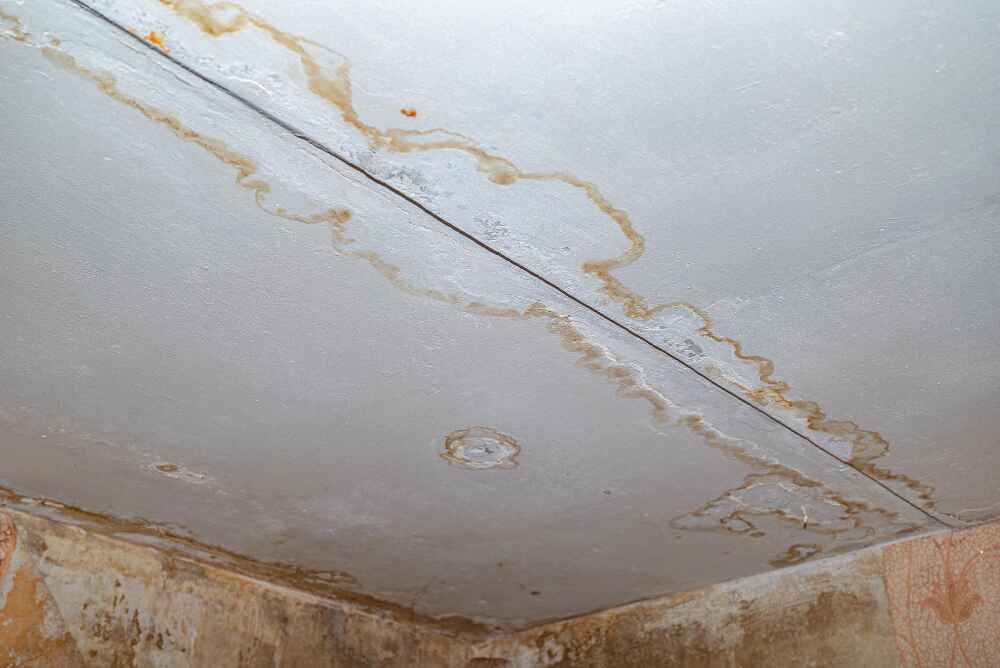
Imagine this: you’re lounging on your couch during a quiet evening when you hear it — drip. Another drip. You look up, and there’s a faint stain blooming on the ceiling. Yep. You’ve got a roof leaking in one spot — and while it might seem minor, it could signal a bigger problem.
What gives?
Whether it’s a mysterious ceiling stain or water dripping from the roof outside, a one-spot leak may seem like no big deal. But it’s often the red flag for something more serious — hidden damage that could compromise your roof’s integrity.
In this guide, we’ll break down:
- Why You Might Have a Roof Leaking in One Spot
- Common causes and hidden culprits
- What to do ASAP (hint: don’t grab the duct tape)
- How to fix it right the first time
- Tips to prevent repeat leaks
Let’s get your roof back to doing what it does best — keeping the weather out and your peace of mind in.
Why Is My Roof Leaking Water in Just One Spot?
A roof leak that’s isolated to one location can be deceiving. It might look like a minor nuisance, but leaks don’t always follow a straight path — water travels.
Common Causes of a Localized Roof Leak:
- Cracked flashing – That thin metal around chimneys, vents, and valleys can corrode or shift over time. Use this roof flashing maintenance guide to stay ahead.
- Compromised roof underlayment – A weak layer beneath shingles can allow water to seep through.
- Vent boot failure – Those rubber seals around plumbing vents can dry out and crack.
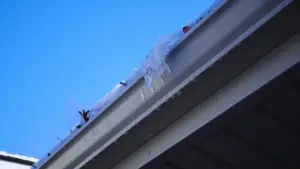
- Ice dams – In colder climates, these can trap melting snow under your shingles.
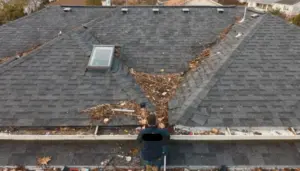
- Gutter backups – Water overflows and sneaks under the edge of your roof.
Internal vs. External Signs:
- Inside: Water stains, peeling paint, mildew smells, sagging drywall
- Outside: Buckled flashing, loose seals around penetrations, missing granules near leak origin
Pro Tip: A “one-spot” leak is often just the visible part. The actual water entry point could be several feet away.
For a full breakdown of common roof issues, check out Most Common Roof Repairs.
Water Dripping From Roof Outside? Do This First
When you spot water dripping from your roof’s edge — even when it’s not raining — it can indicate a bigger issue like trapped moisture or clogged drainage.
Immediate Steps to Take:
- Turn off electricity if the leak is near light fixtures.
- Contain the leak with buckets or towels to minimize damage.
- Document the damage (photos/videos) for potential insurance claims.
- Don’t climb the roof — especially when it’s wet or stormy.
Quick DIY Checks You Can Do Safely:
- Inspect the attic for wet insulation or water trails.
- Look for signs of condensation, especially around vents.
- Use binoculars to scan for lifted shingles or cracked flashing.
Roof Leaking But Shingles Look Good? Here’s What’s Really Going On
This one throws a lot of homeowners off. You head outside, inspect the roof, and everything looks intact. So why the leak?
Here’s What Could Be Hiding Beneath the Surface:
- Flashing failure beneath shingles — especially at valleys and around chimneys.
- Improperly sealed roof penetrations — like skylights, vents, or solar panel mounts.
- Ventilation issues — Poor ventilation can cause condensation leaks. Here are trusted attic moisture prevention tips from the U.S. Department of Energy.
- Nail pops — fasteners backing out over time create entry points.
Reminder: Water doesn’t always enter at the leak point. It can travel along rafters or beams and show up far from the source.
Learn more about misleading damage signs in Wind Damage Roof Shingles.
Diagnosing a Roof Leak Like a Pro
Fixing a leak without knowing its exact source is like playing whack-a-mole with your wallet. Here’s how the pros get it right:
Tools Roofers Use:
- Moisture meters – detect damp spots even behind insulation.
- Infrared cameras – show cold/wet areas invisible to the eye.
- Controlled hose tests – isolate the source by mimicking rainfall.
When to DIY vs. Hire Help:
Scenario | DIY-Friendly? |
Replacing the vent boot | Maybe, if you’re handy and it’s dry |
Flashing leak around the chimney | Call a pro — risk of structural damage |
Replacing shingles | Only if minor and you’re comfortable on a roof |
A leak is recurring in the same spot | Definitely call a roofer |
How to Fix a Roof Leak in One Spot on Your Home
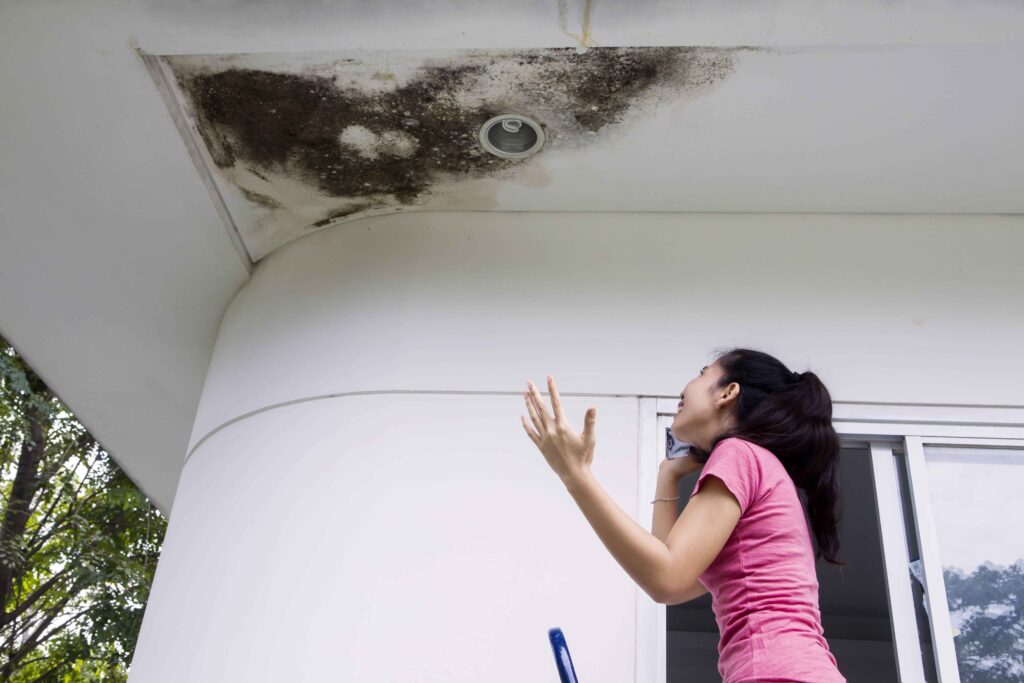
So you’ve found the leak (or at least narrowed it down). Here’s what your options look like:
Short-Term Fixes:
- Roofing tape or flashing sealant to patch small cracks
- Tarping the roof securely until a contractor can assess
- Gutter cleaning if overflow was the cause
Long-Term Repairs:
- Replace deteriorated flashing or underlayment
- Reseal or replace vent boots and pipe collars
- Patch or replace shingles in the affected area
Pro Tip: Even if it’s “just one spot,” improper repairs can void your roof warranty or insurance coverage. Always use certified materials and methods.
Learn how to file a claim for storm-related roof leaks at Roof Damage Insurance Claim Process.
How to Prevent Future One-Spot Leaks
The best leak is the one that never happens. Here’s how to protect your roof moving forward.
Maintenance Checklist:
- Inspect flashing and vent boots every 6 months
- Clean gutters and downspouts seasonally
- Check attic for moisture/mold signs quarterly
- Seal around chimneys and skylights annually
Upgrade Weak Spots:
- Use high-performance flashing (e.g., metal not rubber)
- Add ice/water shield underlayment in snowy regions
- Improve attic ventilation to reduce condensation
Final Thoughts
A localized roof leak is rarely as simple as it looks. While that single drip on your ceiling might seem like a minor annoyance, it’s a vital warning sign of hidden vulnerabilities like compromised flashing or failing seals. Because water is opportunistic and travels along internal structures, the source of the problem is often feet away from where the stain appears.
By addressing these “red flags” immediately rather than waiting for the next big storm you protect your home’s structural integrity and avoid the astronomical costs of mold remediation or full roof replacement. Stay proactive, keep your gutters clear, and when in doubt, let a professional trace the trail.
FAQs
1. Why is my roof leaking in only one spot?
Water often enters through cracked flashing or vent boots. However, the leak’s exit point may be far from the entry source, as water travels along rafters and beams before dripping.
2. Why is my roof leaking if my shingles look fine?
The culprit is likely hidden, such as failed underlayment, nail pops, or corroded flashing beneath the surface. Poor attic ventilation can also cause condensation that mimics a standard roof leak.
3. What should I do immediately if I find a leak?
First, contain the water with buckets and turn off electricity near the drip. Document the damage with photos for insurance, and check your attic for wet insulation to help locate the entry point.
4. Can a clogged gutter cause a localized roof leak?
Yes. When gutters are backed up, water overflows and can seep under the roof’s edge or behind the fascia board, leading to localized rotting and interior water stains near the home’s perimeter.
5. Is it safe to DIY a roof leak repair?
While you can clear debris or replace a vent boot, most leaks require a pro. Improper repairs to flashing or shingles can lead to recurring issues and hidden structural rot over time.