
When a powerful storm rips through your neighborhood, the last thing you want to worry about is whether your roof is covered. But guess what? The roof over your head quite literally could be the key to a successful homeowners insurance claim.
Whether it’s wind, hail, or flying debris, roof damage is one of the most common reasons homeowners file insurance claims. Yet many find the roof damage insurance claim process confusing and time-consuming. That ends now.
In this guide, we’ll break down the step-by-step process to help you navigate your roof claim like a pro. You’ll learn how to document damage, file a home insurance claim for roof damage, work with adjusters, and even negotiate a better payout.
When Should You File a Roof Insurance Claim?
Not every crack, curl, or leak is insurance-worthy. So how do you know when it’s time to call your provider? Learn more about what your policy covers in this NAIC homeowners insurance guide.
Signs It Might Be Time to File a Roof Damage Claim:
- Shingles missing or torn after a windstorm
- Granule loss or visible dents from hail impact
- Leaks inside your home or water stains on ceilings
- Debris impact from fallen tree branches or flying objects
If your roof was recently hit by a major weather event especially wind, hail, or a hurricane don’t delay. Most policies have a window (typically 30-60 days) for filing claims. Check your policy details ASAP.
The Complete Roof Damage Insurance Claim Process
Here’s a breakdown of the full roof claim process from inspection to payout.
Step 1: Inspect and Document the Roof Damage
For post-storm safety steps, refer to FEMA’s official What to Do After a Storm checklist. Grab your smartphone and become a temporary home inspector. Before even calling your insurer:
- Photograph all visible roof damage: focus on missing shingles, cracked tiles, hail dents, etc.
- Snap interior shots if there are leaks or stains on ceilings and walls
- Time-stamp your photos and videos, ideally with a weather report if a storm just passed
Step 2: Call Your Insurance Company
Once you have the evidence:
- Report the damage as soon as possible
- Request a claim number for tracking
- Ask about next steps, including timelines for the adjuster visit
Pro Tip: Keep a record of every phone call and email with your insurer. Names, dates, what was said — everything.
Step 3: Schedule a Visit With the Insurance Adjuster
The adjuster’s job is to evaluate the damage and determine the payout. You don’t want to do this part alone.
- Invite your trusted roofing contractor to be present during the inspection
- The roofer can point out damage the adjuster might miss (and speak their language)
- Be present yourself so you can provide context and ask questions
Step 4: Get Estimates From Qualified Roofing Contractors
Even if your insurer offers a “preferred vendor,” it’s smart to get 2-3 estimates for comparison.
Look for contractors who:
- Are licensed and insured
- Have experience with roofing insurance work
- Know how to work directly with adjusters and insurers
Avoid storm-chasing companies that show up after a big weather event with suspiciously low quotes.
Step 5: Review Your Policy and Finalize the Claim
Before you accept the insurance payout:
- Understand your deductible: This is your out-of-pocket portion
- Check if your policy covers full replacement (RCV) or just actual cash value (ACV)
- Ask about depreciation you may receive part of the payment upfront and the rest after the work is done
Types of Roof Damage Covered by Insurance
Wind Damage
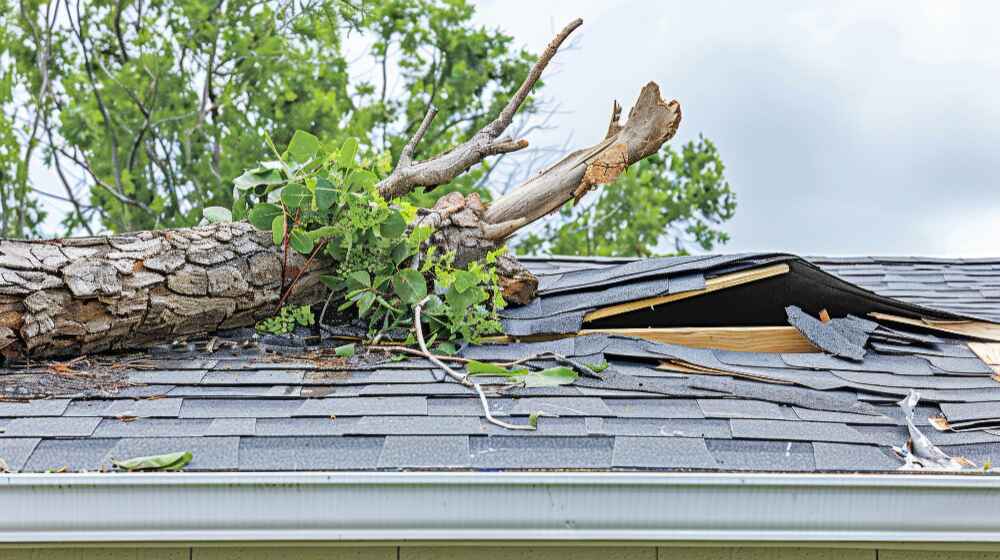
Wind can lift or rip off shingles, damage flashing, and expose your home to leaks. Most standard homeowners policies cover this.
Signs to watch for:
- Shingles curled, cracked, or completely missing
- Exposed underlayment
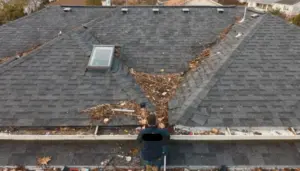
- Wind-driven debris embedded in the roof
Related Reading: Wind Damage to Roof Shingles
Hail Damage
Hail hits can knock granules off shingles and cause bruising or holes, shortening your roof’s lifespan.
What to look for:
Circular dents or pockmarks on shingles
Granule piles in gutters
Splits in wood shingles
Check out: Hail Damage Roof
Hurricane or Storm Damage
Flying branches, debris, or heavy rains from hurricanes can cause structural damage or long-term leaks.
Typical symptoms:
- Large sections of missing roofing
- Water infiltration around chimneys, vents, and skylights
What If Your Roof Insurance Claim Is Denied?
Unfortunately, not every roof damage insurance claim gets approved. But don’t worry if your roof insurance claim is denied, you still have options to fight back and potentially recover your losses.
Steps to Take If Denied:
- Request a written explanation of the denial
- Get a second opinion from a public adjuster or experienced roofer
- Gather more documentation or updated repair estimates
- Appeal through your insurer’s formal dispute resolution process
Still stuck? Some homeowners escalate the issue through a state insurance department or seek legal support. Learn more about roof damage insurance claim process.
Choosing the Right Roofing Contractor for Insurance Work
It matters. A lot. Insurance claims for roofing require clear documentation, communication, and skill.
What to Look For:
- Local presence and solid reputation
- Familiarity with insurance claim processes
- Willingness to advocate for you with adjusters
- Proper licensing and insurance
Avoid:
- High-pressure sales tactics
- Door-to-door storm chasers
- Unusually low bids (they often cut corners)
Recommended Reading: [Most Common Roof Repairs]
Final Thoughts: Stay Proactive and Protect What Matters
The roof over your head does more than keep you dry it protects your family, your possessions, and your peace of mind. When that protection is compromised, you need to know the exact steps to take. From photographing the damage to negotiating your claim, this guide has walked you through every stage of the roof damage insurance claim process. With the right preparation and the right contractor, you’ll not only get your roof repaired but also reclaim your home’s safety and value.
Need help with storm damage or ready to start your roof claim journey? Contact our expert team today for a free inspection and insurance claim assistance.
FAQs
1. When should I file a roof insurance claim?
File a claim if you notice missing shingles, hail dents, or interior leaks after a storm. Most policies require filing within 30–60 days of the event, so check your specific coverage window immediately.
2. What is the first step in the roof claim process?
Document everything. Take time-stamped photos of visible roof damage and interior water stains before calling your insurer. This evidence is crucial for a successful payout and helps the adjuster’s evaluation.
3. Should my roofing contractor meet with the adjuster?
Yes. Having a trusted contractor present during the adjuster’s visit ensures that hidden damage isn’t overlooked. They can provide technical context and “speak the language” to help justify necessary repair costs.
4. What is the difference between RCV and ACV coverage?
Replacement Cost Value (RCV) covers the full cost to replace your roof at today’s prices. Actual Cash Value (ACV) only pays for the roof’s current worth, minus depreciation for its age and wear.
5. What can I do if my roof insurance claim is denied?
Request a written explanation for the denial and seek a second opinion from a public adjuster or roofer. You can also gather more documentation and file a formal appeal through your insurer’s dispute process.