A sudden roof leak after a storm can quickly become how to maintain a roof in harsh weather conditions a serious concern for homeowners trying to avoid costly repairs. What starts as a small issue can escalate into structural damage if ignored. This guide covers everything you need to know, from identifying early warning signs to following a seasonal maintenance plan and preparing for extreme weather, so you can protect your home with confidence.
How to Maintain a Roof in Harsh Weather Conditions Roof’s Biggest Enemy
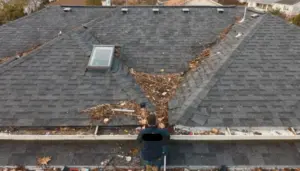
Harsh weather conditions are the biggest enemy of any roof, gradually weakening its structure and reducing its lifespan if not properly maintained. Extreme elements such as heavy rain, snow, strong winds, hail, and intense sunlight can all contribute to deterioration over time. To protect your roof, regular inspection is essential, especially after severe weather events. Look for signs like missing or damaged shingles, cracks, leaks, or clogged gutters, as these issues can quickly escalate if ignored. Keeping gutters clean is particularly important, since blocked drainage systems can cause water to pool on the roof, leading to leaks and structural damage.
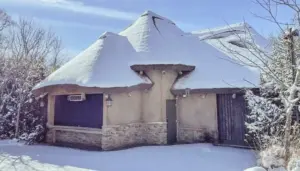
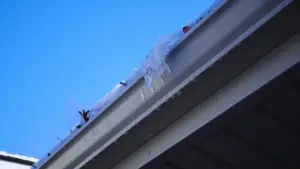
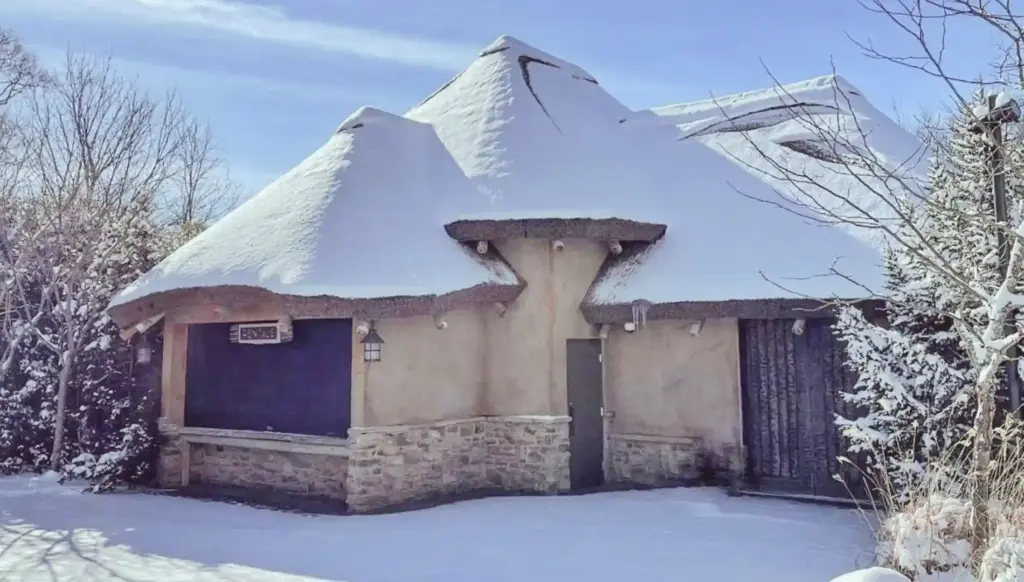
In colder climates, snow and ice buildup can create ice dams, which prevent proper drainage and force water underneath shingles. Removing excess snow with proper tools and ensuring adequate attic insulation can help minimize this risk. In hot and sunny regions, prolonged exposure to UV rays can cause roofing materials to dry out and crack, so applying protective coatings or choosing weather-resistant materials can extend durability. Strong winds and storms may loosen or tear away roofing components, making it important to secure loose elements and repair damage promptly.
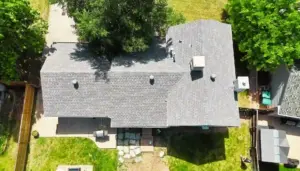
Routine maintenance should also include trimming overhanging tree branches, as they can scrape against the roof during storms or drop debris that clogs drainage systems. Additionally, scheduling professional inspections at least once a year ensures hidden issues are detected early. Using high-quality materials designed for your specific climate can make a significant difference in how well your roof withstands harsh conditions. Ultimately, consistent care, timely repairs, and preventive measures are the key strategies to protect your roof from its biggest enemy—extreme weather ensuring safety, efficiency, and longevity for your home.
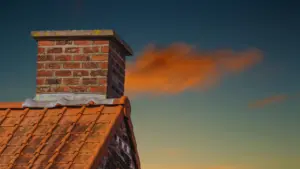
Many homeowners focus only on what they can see outside, but interior signs often reveal problems earlier. On the exterior, common warning signs include missing, cracked, or curling shingles, which indicate weather damage or aging. Damaged flashing around chimneys, vents, or skylights can allow water to enter vulnerable areas. You may also notice granules collecting in gutters, which signals shingle wear, along with sagging sections or visible dips that suggest structural stress.
Inside the home, the warning signs can be even more critical. Water stains on attic wood or ceilings often indicate an active leak. A musty odor suggests trapped moisture, which can lead to mold growth. Peeling ceiling paint or bubbling surfaces usually point to ongoing water damage. Damp or compressed insulation reduces energy efficiency and signals moisture intrusion. In some cases, visible light coming through roof boards indicates gaps or holes that need immediate attention.
Seasonal Roof Maintenance Schedule
Maintaining your roof throughout the year ensures it can handle changing weather conditions without major damage.
Spring: Post-winter damage check
Spring is the time to assess any damage caused by winter conditions. Inspect shingles for cracks or looseness caused by freeze-thaw cycles. Gutters should be cleared of debris to ensure proper drainage, and flashing should be checked for any gaps or deterioration.
Summer: Heat and UV care
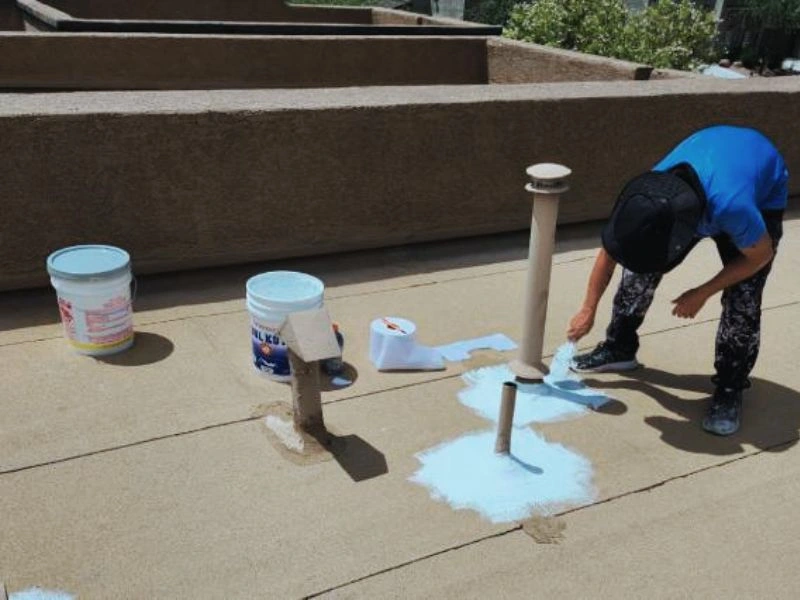
During summer, intense heat and UV exposure can weaken roofing materials. Proper attic ventilation is essential to prevent heat buildup that can shorten your roof’s lifespan. Overhanging branches should be trimmed to avoid physical damage, and protective coatings can be applied if necessary.
Fall: Storm season preparation
Fall is critical for preparing your roof for storms. Clearing leaves and debris from gutters prevents water backup. Flashing should be sealed properly, and areas around pipe boots and skylights must be inspected to ensure they are watertight before heavy rainfall begins.
Winter: Ice dams and snow load
Winter maintenance focuses on preventing ice dams and managing snow load. Adequate insulation helps maintain consistent temperatures, reducing ice formation. Installing ice and water barriers adds protection, and snow should be removed carefully to avoid excess weight and structural strain.
Following a seasonal approach is one of the most effective ways to implement how to maintain a roof in harsh weather conditions consistently.
Before vs. After Storm: Your Maintenance Checklist
Before a storm, homeowners should ensure their roof is properly secured by checking for loose shingles and reinforcing weak areas. Gutters and downspouts need to be cleared so water can flow freely, while nearby tree branches should be trimmed to reduce the risk of impact damage. Flashing must be inspected and sealed where necessary, and attic ventilation should be functioning efficiently. It is also important to secure outdoor items that could become airborne during strong winds.
After a storm, the first step is to visually inspect the roof from the ground for any obvious damage. The attic should be checked for leaks, moisture, or unusual odors. Debris on the roof or in gutters should be cleared, and all visible damage should be documented with photos. Temporary tarping may be required to prevent further water intrusion, followed by arranging a professional inspection for a thorough assessment.
DIY Maintenance vs. When to Call a Professional
Some roof maintenance tasks can be safely handled by homeowners, while others require professional expertise. Basic tasks such as cleaning gutters, inspecting the roof from the ground or attic, removing light debris, and applying temporary tarps can be done without specialized skills.
However, more complex work like repairing flashing, fixing structural damage, addressing persistent leaks, or working on steep or high roofs should always be left to licensed professionals. Attempting these repairs without proper training can worsen the damage and may void manufacturer warranties. Knowing these limits is essential when applying how to maintain a roof in harsh weather conditions safely and responsibly.
Best Roofing Materials for Harsh Weather
Choosing the right roofing material plays a major role in how well your roof withstands extreme conditions. Impact-resistant asphalt shingles are a popular and cost-effective option that performs well in storm-prone areas. Metal roofing offers excellent durability against high winds and heavy snow, making it ideal for regions with severe weather. Slate roofing is known for its longevity and performs exceptionally well in colder climates. Clay and concrete tiles are highly resistant to heat and are best suited for hot environments with strong sun exposure.
The material you choose directly impacts how often maintenance is required and how effectively your roof resists damage.
How to Document Roof Damage for Insurance Claims
Proper documentation is essential when dealing with insurance claims for roof damage. Start by taking clear photos of your roof from the ground before and after storms, capturing both wide views and close-up details. Keeping records of all maintenance and repair receipts helps demonstrate that the roof has been properly maintained. It is important to understand that most insurance policies cover sudden storm-related damage but typically do not cover issues caused by neglect or normal wear and tear. Scheduling regular professional inspections can create a documented history, strengthening your claim if damage occurs.
How Much Does Roof Maintenance Cost?
Roof maintenance costs vary depending on the type of service required. A professional inspection typically ranges from $150 to $400, while gutter cleaning costs between $100 and $250. Minor shingle repairs can range from $150 to $500, and flashing repairs generally cost between $200 and $600. Emergency tarping services usually fall between $100 and $300.
Investing in routine maintenance is significantly more cost-effective than dealing with major repairs after damage occurs, often saving homeowners three to five times the expense in the long run.
Finl Thoughts
Maintaining your roof in harsh weather requires regular inspections, timely repairs, and seasonal care. Addressing small issues early prevents costly structural damage and leaks. With proper maintenance, quality materials, and professional support when needed, you can extend your roof’s lifespan and protect your home year-round. For extra protection, consider scheduling a professional inspection or create a printable checklist based on this guide to stay prepared throughout the year.
FAQs
1: What are early signs of roof damage after storms?
Early signs include missing or curling shingles, water stains on ceilings, granules in gutters, and damp attic insulation. These indicate potential leaks and should be inspected quickly to prevent structural damage.
2: How often should a roof be inspected?
A roof should be inspected at least twice a year, ideally in spring and autumn, and after severe storms. Regular checks help detect damage early, maintain drainage, and extend the roof’s overall lifespan. This prevents costly repairs and ensures safety year-round. Professional inspections are recommended for best results.
3: What are the best roofing materials for harsh weather?
Metal, slate, and impact-resistant asphalt shingles perform best in harsh weather. They resist wind, snow, and heavy rain while offering durability. Choice depends on climate, budget, and required lifespan. Proper installation is also critical.
4: How can ice dams be prevented on roofs?
Ice dams can be prevented by proper attic insulation, good ventilation, and roof snow removal. These reduce heat loss and stop melting snow from refreezing at roof edges, preventing leaks and water damage. Regular monitoring in winter is essential.
5: When should I choose DIY maintenance vs a professional?
DIY is suitable for gutter cleaning, debris removal, and visual inspections. However, leaks, flashing repairs, or structural issues require professionals to avoid safety risks and prevent further roof damage. This ensures long-term protection.