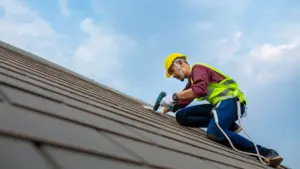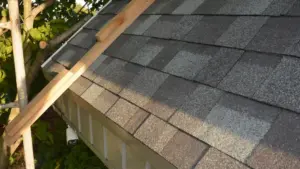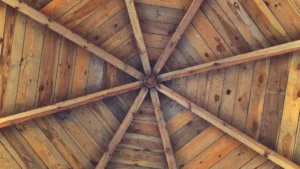
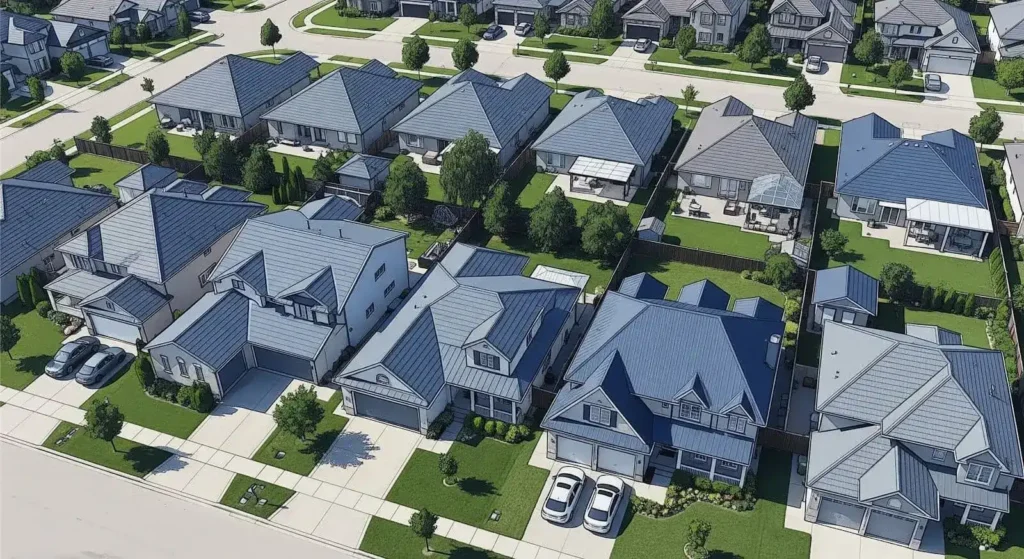
Roof geometry refers to the shape, slope, and overall structural design of a roof. Different roof geometry types are not just visual choices—they directly influence how a building performs in terms of weather protection, energy efficiency, and durability. The right roof shape helps manage rainwater, withstand wind loads, and support proper insulation, all while enhancing the appearance of a home or building.
Roof shapes also play a major role in architectural identity. A well-chosen roof geometry can improve curb appeal, complement the building style, and reduce long-term maintenance needs. Understanding roof geometry types makes it easier to select a design that balances function, style, and cost.
Basic Roof Geometry Types
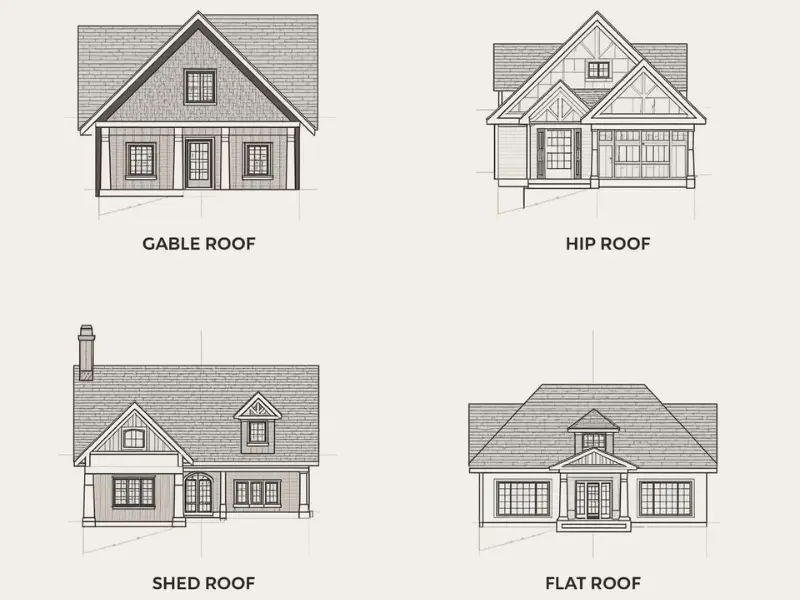
Gable roofs are one of the most common. Different roof shapes and designs are recognized by their classic triangular shape with two sloping sides. This design allows rain and snow to shed easily, improves ventilation, and works well in many climates. Gable roofs are simple, cost-effective, and widely used in residential construction.
Hip roofs feature four sloping sides that meet at a ridge or point. This geometry provides better stability and wind resistance than gable roofs, making it suitable for areas with strong storms. Hip roofs also offer a clean, symmetrical look.
Flat roofs use a very low slope rather than being completely flat. Common in modern and commercial architecture, they allow space for rooftop systems and outdoor use. Proper drainage and waterproofing are essential for performance and longevity.
Complex Roof Geometry Types
Mansard roofs are defined by double slopes on all sides, with a steeper lower slope and a flatter upper slope. This roof geometry type maximizes usable attic or living space and is often associated with classic European architecture.
Gambrel roofs, frequently seen on barns, also use two slopes per side but focus on increasing interior volume efficiently. This design offers a strong visual identity while keeping material use economical.
Butterfly roofs form a V-shaped profile that slopes inward. This modern roof geometry type supports rainwater collection systems and creates a bold, contemporary appearance.
Saltbox roofs feature an asymmetrical shape with one long slope and one short slope. Originally developed for practicality, this roof geometry now adds character and improves water drainage.
Curved and Specialty Types of Roof Structures
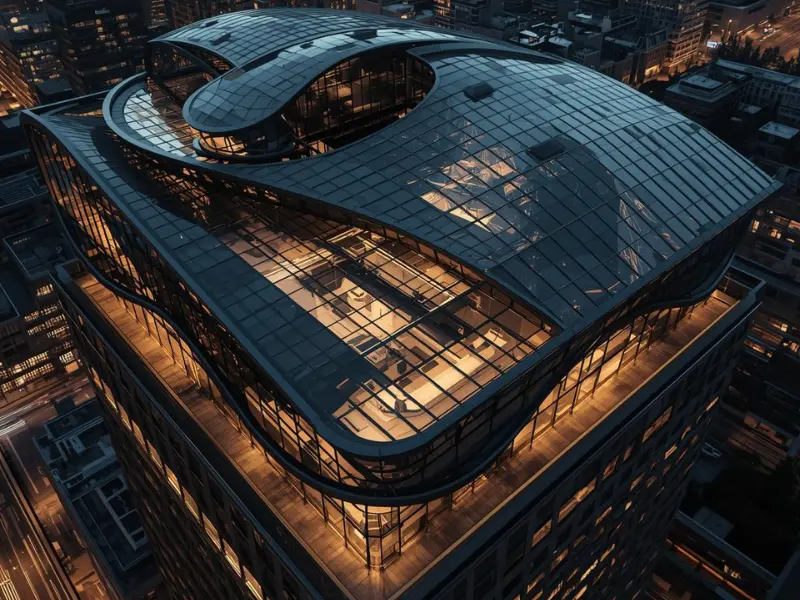
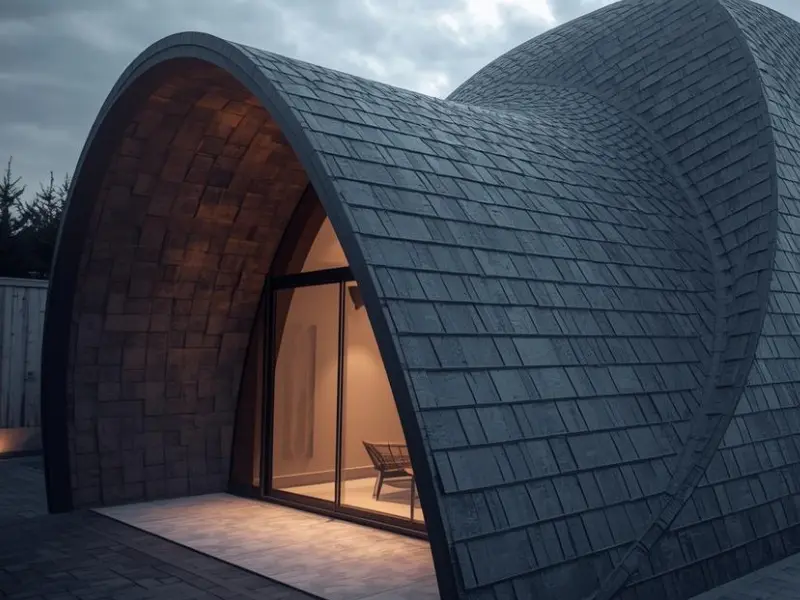
Barrel vault roofs use a continuous curved surface that distributes structural loads evenly. This design is strong, efficient, and often used in industrial or modern buildings.
Domed roofs create a rounded form that spreads stress across the structure, making them both durable and visually impressive.
Arched roofs allow for large open interior spaces without many internal supports, combining structural efficiency with architectural elegance.
Bell-shaped roofs flare outward near the edges, improving water runoff while adding decorative detail to the building.
Combined Types of Roof Structures
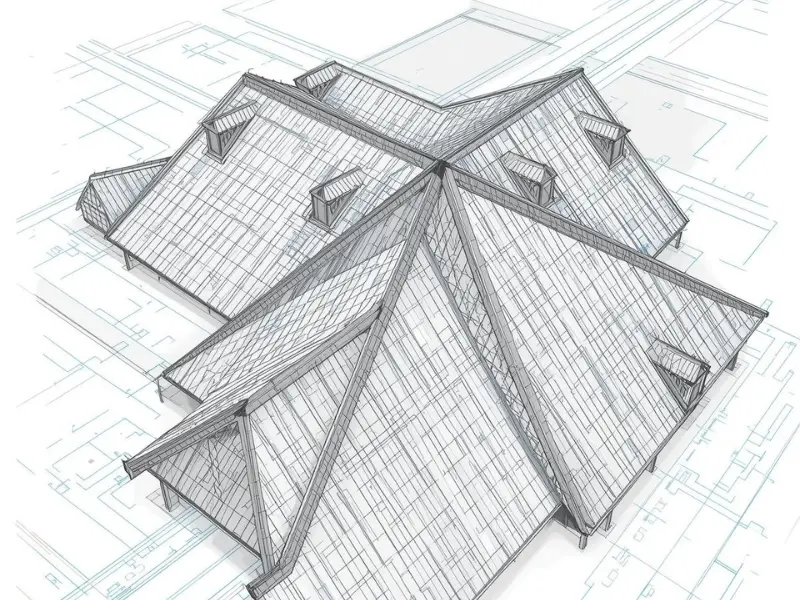
Cross-gabled roofs combine multiple gable sections, often used in larger homes to define different interior areas while adding visual interest.
Cross-hipped roofs merge intersecting hip structures, offering strong wind resistance along with a complex, refined appearance.
Dutch gable roofs combine a gable top with a hip base, improving ventilation while maintaining stability and balanced proportions.
Choosing the Right Roof Geometry Type
Choosing among different roof geometry types depends on climate, architectural style, and budget. Steeper roof shapes work better in areas with heavy rain or snow, while hip-based designs perform well in high-wind regions. The roof geometry should also match the building’s overall style for a cohesive look.
Maintenance and cost are equally important. Simpler Types of roof structures are generally easier and less expensive to maintain, while complex or curved designs may require specialized materials and skilled labor. By carefully evaluating performance needs, aesthetics, and long-term upkeep, you can select a roof geometry that provides lasting protection and value.
Final Thought
Understanding roof geometry types is essential for making smart, long-term decisions about your home or building. The right roof shape does more than enhance appearance; it improves weather resistance, supports energy efficiency, and helps reduce future repair costs. From simple designs like gable and hip roofs to more complex and specialty geometries, each option serves a specific purpose based on structure, climate, and performance needs.
By considering local weather conditions, architectural style, and long-term maintenance requirements, you can choose a roof geometry that delivers both durability and visual balance. A well-selected roof geometry type protects your structure, adds lasting value, and ensures your investment stands strong for years to come. If you need expert guidance in selecting or maintaining the right roof geometry for your property, contact us today for professional advice and personalized solutions.
FAQs
1. What are Roof shape variations?
Roof geometry types refer to the shape and structural design of a roof, including slope, form, and layout.
2. Why does roof geometry matter?
Roof geometry affects drainage, wind resistance, energy efficiency, and overall building durability.
3. Which roof geometry is best for heavy rain or snow?
Steeper roof shapes like gable and hip roofs perform better in areas with heavy rain or snowfall.
4. Are complex roof geometry types more expensive?
Yes, complex Roof shape variations usually cost more due to materials, labor, and maintenance needs.
5. How do I choose the right roof geometry type?
Consider climate, architectural style, budget, and long-term maintenance before choosing a roof geometry.