Metal roofs are known for their strength and long lifespan, but their performance depends on small components that often get ignored. One of the most common causes of leaks is worn or failing fasteners. Understanding when and how to replace screws on metal roof systems helps prevent water intrusion, rust damage, and expensive repairs. In many cases, leaks start around screw points years before the metal panels themselves wear out. Timely replacement keeps the roof sealed and structurally sound.
Why Metal Roof Screws Need Replacement
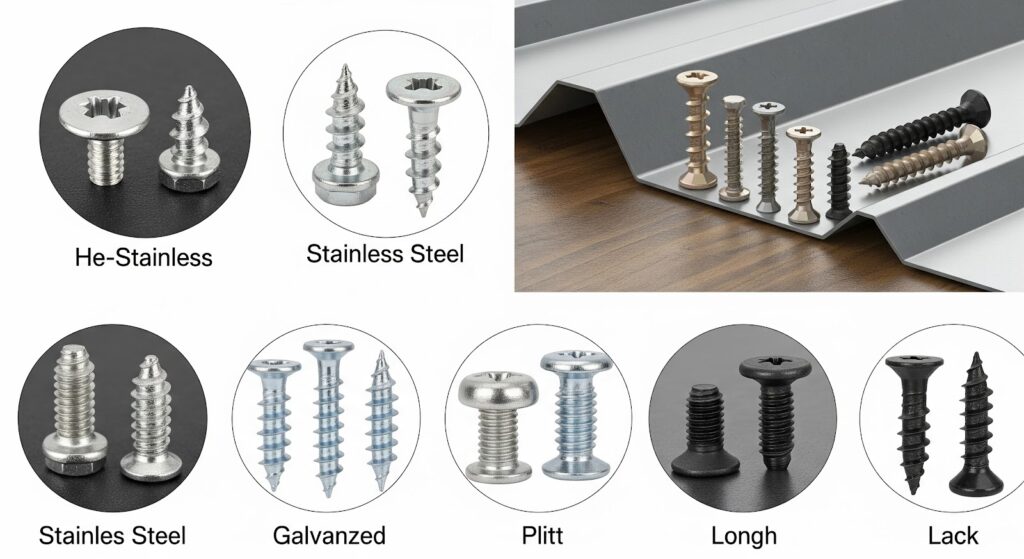
Metal roof screws face constant exposure to sunlight, rain, wind, and temperature changes. Over time, the EPDM washers dry out from UV exposure and lose flexibility, breaking the waterproof seal. Metal expansion and contraction cause screws to slowly back out, creating gaps where water can enter. Corrosion is another common issue, especially on older galvanized fasteners, as moisture weakens the metal. When these problems occur together, the roof becomes vulnerable even if the panels remain intact.
Signs It’s Time to Replace Screws on the Metal Roof
Early warning signs usually appear before major damage develops. Loose or raised screws are often the first indicator. Rusted screw heads, cracked or flattened washers, and discolored washer rings on the panels also signal failure. Inside the building, water stains or damp insulation may appear near problem areas. When several of these signs are present, it is time to replace screws on metal roof sections rather than relying on temporary sealants.
When to Replace Screws on a Metal Roof
Most metal roof screws last between ten and twenty years, depending on climate, installation quality, and maintenance. Newer roofs should be inspected every two years, while roofs over ten years old benefit from annual inspections. Severe storms and strong winds can accelerate fastener failure, making post-storm checks important. Replacing screws on schedule prevents widespread leaks and extends the roof’s service life.
Tools and Materials Needed
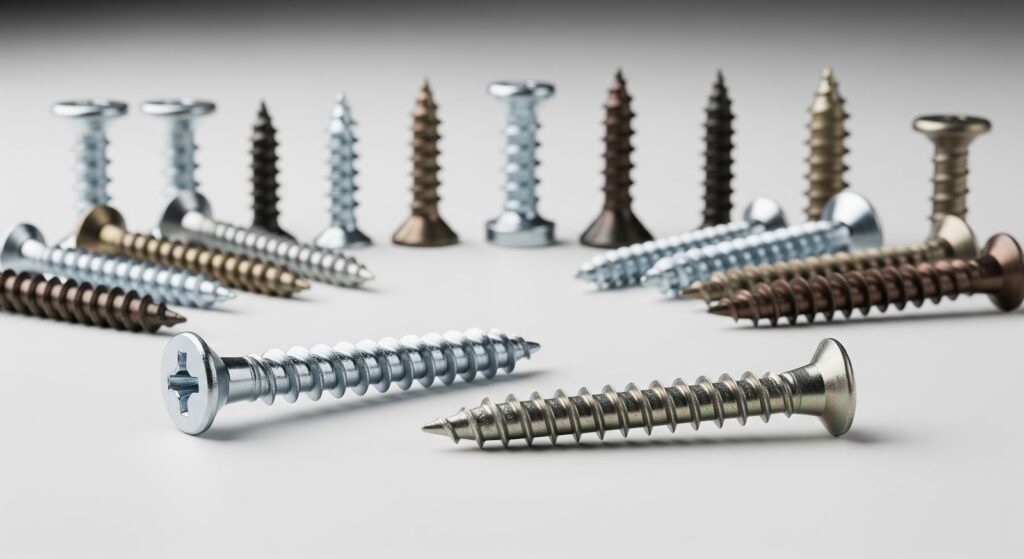
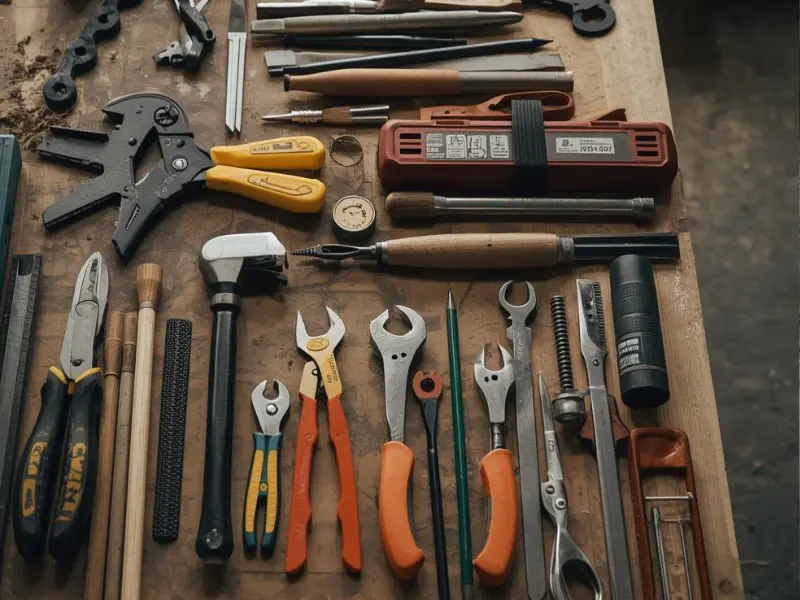
Replacing roof screws requires proper tools and materials to ensure a lasting seal. Oversized replacement screws, usually #12 or #14 instead of the original #10, provide better grip in worn holes. An electric drill with a magnetic socket helps keep screws straight during installation. High-quality EPDM washer screws that match the roof color improve both performance and appearance. Safety gear such as gloves, non-slip footwear, and fall protection is essential when working on a metal roof.
Step-by-Step Process to Replace Screws on a Metal Roof
The process begins by removing old screws carefully and straight out to avoid enlarging existing holes. Choosing one size larger screw restores proper threading into the decking or purlins. Screws should be installed on the high ridges of the metal panels rather than in the valleys to reduce water exposure. Each screw must be driven perpendicular to the panel so the washer seats evenly. Tightening should stop once the washer is snug and sealed without being crushed. Following these steps ensures reliable results when you replace screws on metal roof systems.
Common Mistakes to Avoid
Many metal roof problems occur due to improper installation. Over-tightening compresses washers too much and causes premature cracking. Under-tightening leaves gaps that allow water intrusion. Installing screws at an angle prevents even washer contact and weakens the seal. Mixing different screw materials can also lead to uneven corrosion and early failure. Avoiding these mistakes significantly improves roof performance.
DIY vs Professional Replacement
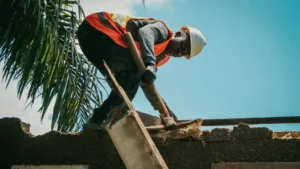
Small repairs on low-slope roofs may be manageable for experienced homeowners with proper safety equipment. However, large roofs, steep slopes, or widespread screw failure often require professional service. Contractors can replace hundreds of screws efficiently and ensure consistent installation. Professional replacement typically costs between $1,750 and $4,500, depending on roof size and labor needs, but it reduces safety risks and ensures long-term reliability.
Final Thought
Replacing fasteners is one of the most cost-effective ways to protect a metal roofing system. Regular inspections, timely replacement of failed screws, and the use of quality EPDM washer fasteners help prevent leaks and structural damage. If your roof is approaching or past the ten-year mark, planning proactive maintenance is a smart investment. By knowing when and how to replace screws on metal roof areas, you can extend the roof’s lifespan and avoid costly repairs in the future. If you’re unsure where to start or prefer expert help, contact us to schedule a professional inspection and get trusted guidance tailored to your roof.
Join Our Community
Join our community on Facebook, and don’t forget to subscribe to us on YouTube for new content each week.
FAQs
1. How often should you replace screws on a metal roof?
Most metal roof screws should be replaced every 10–20 years, depending on climate, washer condition, and roof movement.
2. Can loose metal roof screws cause leaks?
Yes. Loose screws break the washer seal, allowing water to enter and cause leaks long before panels fail.
3. Should you use oversized screws for replacement?
Yes. Oversized screws like #12 or #14 restore grip in worn holes and create a tighter seal.
4. Is it better to replace all metal roof screws at once?
Full replacement is recommended on older roofs to prevent recurring leaks and uneven fastener failure.
5. How much does professional metal roof screw replacement cost?
Professional replacement typically costs between $1,750 and $4,500, depending on roof size and screw count.