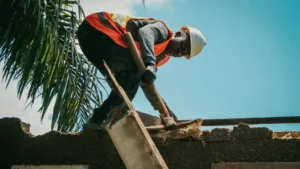
The construction and real estate sectors are evolving rapidly, and with that evolution comes a heightened demand for specialized expertise. Whether it’s for a pre-purchase home inspection, an insurance claim after a storm, or a routine maintenance check, property owners need professionals they can trust.
If you are looking to advance your career in the building trades, obtaining a roofing inspector certification is one of the most effective ways to stand out. This credential proves you have the technical eye to spot hidden leaks, structural weaknesses, and material failures that an untrained eye would miss.
Understanding Roofing Inspector Certification
Before diving into the process, it is important to distinguish between licensing and certification. While a license is often a legal requirement issued by the state to perform work, a roof inspection certification is a professional credential that validates your specific expertise.
Earning a certification significantly enhances your credibility. In a crowded market, being “certified” tells insurance adjusters and homeowners that you follow industry-standard protocols. It transforms you from a general contractor into a specialized consultant, which drastically increases your marketability and allows you to command higher fees.
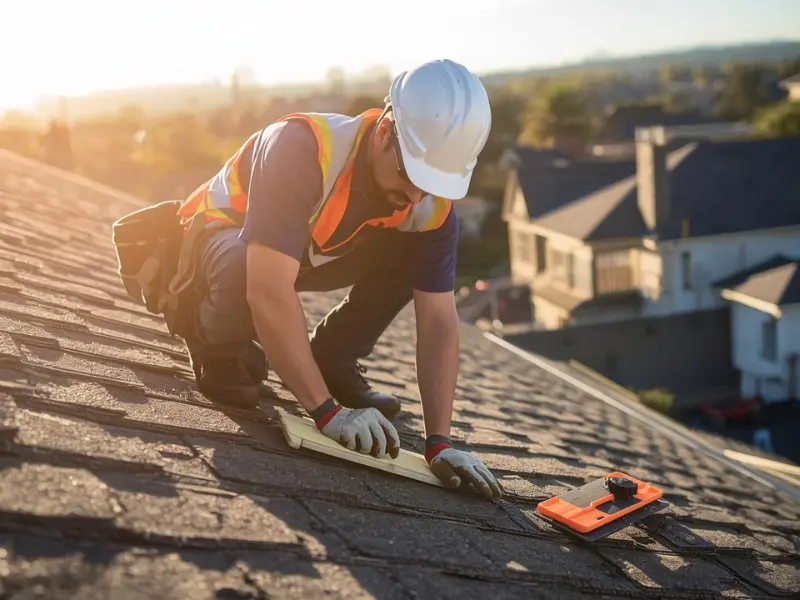
Top Roofing Inspector Certification Programs
Several recognized bodies offer training and credentials. Each has a slightly different focus depending on whether you want to work in residential, commercial, or forensic inspection.
1. InterNACHI
The International Association of Certified Home Inspectors (InterNACHI) offers a broad spectrum of training. While they cover the entire home, their roof-specific modules are highly regarded for their depth in identifying common residential defects.
2. NRCIA
The National Roof Certification & Inspection Association (NRCIA) is unique because it focuses on “LeakFREE” certifications. They provide a standardized process that allows inspectors to offer warranties on their inspections, a huge selling point for real estate transactions.
3. NRCA
The National Roofing Contractors Association (NRCA) is the “gold standard” for technical installation knowledge. Their programs are ideal for those who want to understand the chemistry and engineering behind roofing systems.
4. Haag Engineering
Haag is often considered the most prestigious certification for forensic inspectors. If you plan to work closely with insurance companies to assess hail or wind damage, a Haag certification is often the primary requirement.
Comparison Table: 2025 Certification Programs
| Program | Primary Focus | Estimated Cost | Recognition |
| InterNACHI | General Residential | $49/mo (Membership) | High (Home Inspection) |
| NRCIA | Leak-Free Standards | $300 – $600 | High (Real Estate) |
| NRCA | Technical/Installation | $200 – $500 | High (Commercial) |
| Haag | Damage Assessment | $800 – $1,200 | Elite (Insurance/Forensics) |
Step-by-Step Process: How to Become a Roof Inspector
If you are wondering how to become a roof inspector, the path is relatively straightforward but requires dedication.
-
Meet Educational Prerequisites: Most programs require a high school diploma or equivalent. A background in construction or engineering is a major plus.
-
Complete Coursework: Enroll in specialized roof inspector training. These courses cover everything from asphalt shingle anatomy to complex flat-roof membranes and thermal imaging.
-
Pass Certification Exams: You must demonstrate your knowledge through a rigorous exam covering safety, local building codes, and material identification.
-
Gain Hands-on Field Experience: No amount of reading replaces being on a ladder. Many new inspectors shadow veterans for 6–12 months to learn how to spot subtle “red flags.”
Essential Skills and Knowledge Required
To succeed after receiving your roofing inspector certification, you must master three core areas:
-
Technical Knowledge: You must understand how different systems (metal, tile, wood shake, TPO) behave under environmental stress.
-
Building Codes & Safety: Knowledge of OSHA regulations and local structural codes is non-negotiable.
-
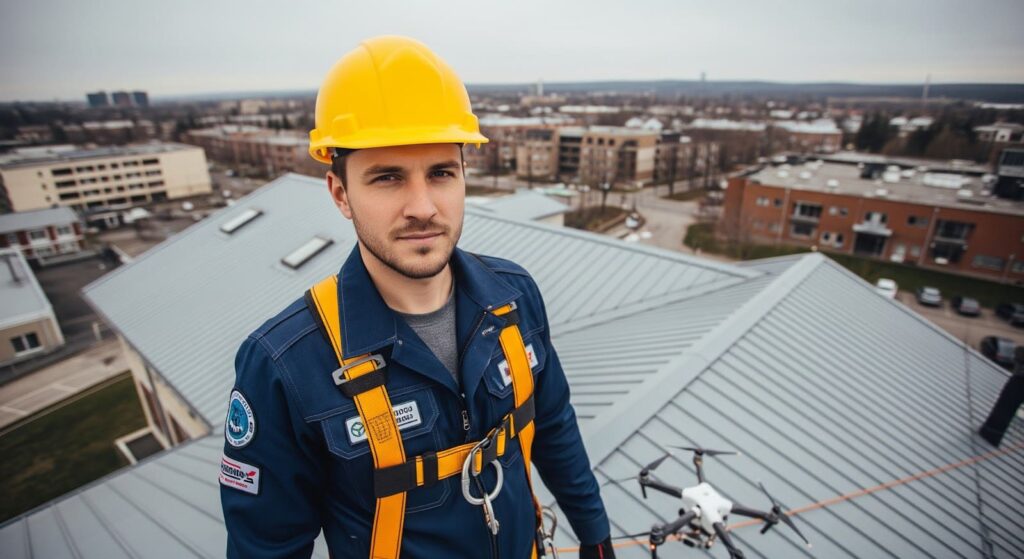
Inspection Technology: Modern inspectors use more than just a ladder. You’ll need to be proficient with drones, moisture meters, and infrared cameras to provide comprehensive reports.
Career Opportunities and Salary Expectations
Once you hold a roofing inspector certification, several career paths open up. You can work for established home inspection firms, join an insurance company as an adjuster, or start your own independent roof inspection certification business.
As of late 2025, the average salary for a certified roofing inspector in the United States ranges from $55,000 to $68,000, with top-tier forensic inspectors in high-demand regions earning well over $90,000.
Maintaining Your Certification
The roofing industry doesn’t stand still. New materials and energy-efficiency standards emerge every year. To keep your roofing inspector certification active, most organizations require:
-
Continuing Education (CE): Typically 15–20 hours of updated roof inspector training annually.
-
Annual Renewals: Paying a membership fee and adhering to a strict code of ethics.
Final Thoughts and Next Steps
Becoming a certified professional is a smart investment in a “recession-proof” niche. Property owners will always need to know if the roof over their heads is safe.
If you have questions about which program is right for you or how to get started, feel free to contact us today. We’d be happy to help you draft a custom resume or a business plan to help you successfully launch your new career in roof inspection.
Join Our Community
Join our community on Facebook, and don’t forget to subscribe to us on YouTube for new content each week.
FAQs
1 What is the best certification for insurance claims?
Haag is the elite industry standard for forensic insurance inspections and wind/hail damage assessment.
2 What is the average 2025 salary for roofing inspectors?
Certified inspectors earn $55,000–$68,000 on average, with top specialists earning over $90,000.
3 How much does roofing inspector certification cost?
Costs range from $49/month (InterNACHI) to $1,200 for elite forensic programs like Haag.
4 Is certification different from licensing?
Yes. A license is a legal state requirement to work, while certification validates your professional expertise.
5 What tools are essential for roof inspections?
Modern inspectors use drones, moisture meters, and infrared thermal cameras to identify hidden leaks.