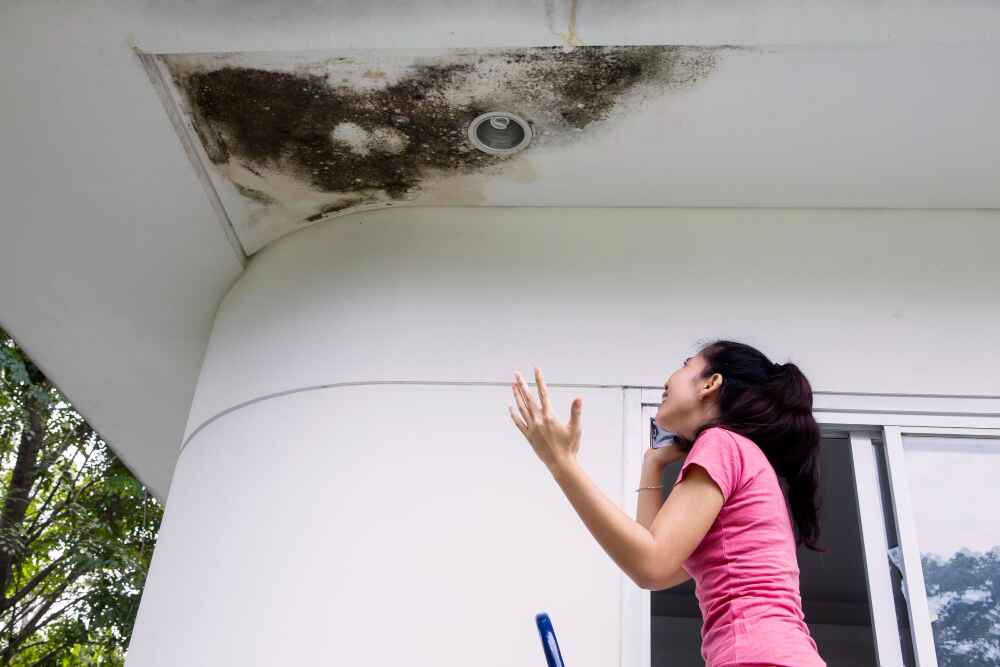
A small hole in your roof can turn into a big problem fast. Even a minor opening allows water, pests, and cold air to enter your home. Left untreated, it can damage insulation, weaken framing, and lead to mold growth. This guide explains how to fix hole in roof safely, when a DIY repair makes sense, and when calling a professional is the smarter move.
By the end, you’ll understand the risks, tools, steps, and warning signs that should never be ignored.
Should You DIY or Hire a Professional to Fix a Hole in the Roof?
Not every roof hole repair is the same. Some are simple surface issues, while others involve structural damage.
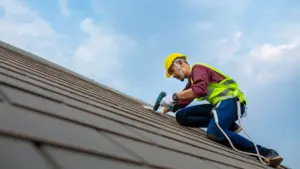
Safety should always come first. Working on a roof is dangerous if it’s steep, wet, or more than one story high. A fall can cause serious injury, making DIY repairs risky for many homeowners.
Warranty matters too. If your roof is under a manufacturer or workmanship warranty, a DIY repair could void that coverage. Professionals follow approved methods that keep warranties intact.
Cost is often the deciding factor. Small patch jobs cost less when done yourself, but mistakes can lead to leaks that cost far more later. Skill level is another factor. If you’re not comfortable cutting decking or aligning shingles, it’s better to step back.
For anything beyond a minor surface issue, hiring a pro to fix hole in roof often saves money and stress in the long run.
Tools and Materials Needed to Fix a Hole in the Roof
Having the right tools makes the repair safer and more reliable.
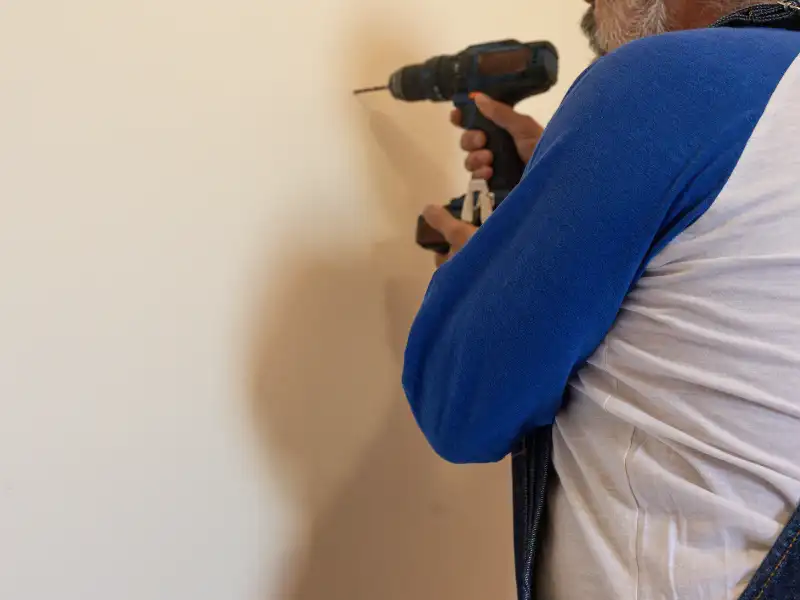
You’ll need a sturdy extension ladder and basic safety equipment to access the roof securely. A pry bar, hammer, and utility knife are required to remove damaged shingles and materials. Roofing cement, tar paper, and matching shingles help restore the waterproof barrier.
Safety gear is not optional. Gloves, eye protection, and non-slip footwear reduce the risk of injury. Without proper equipment, even a small repair can become dangerous.
How to Fix a Hole in the Roof: Step-by-Step Process
Start by setting up your ladder on level ground and securing it properly. Never rush this step.
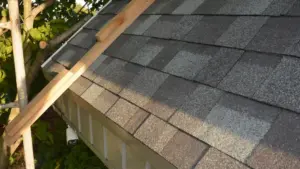
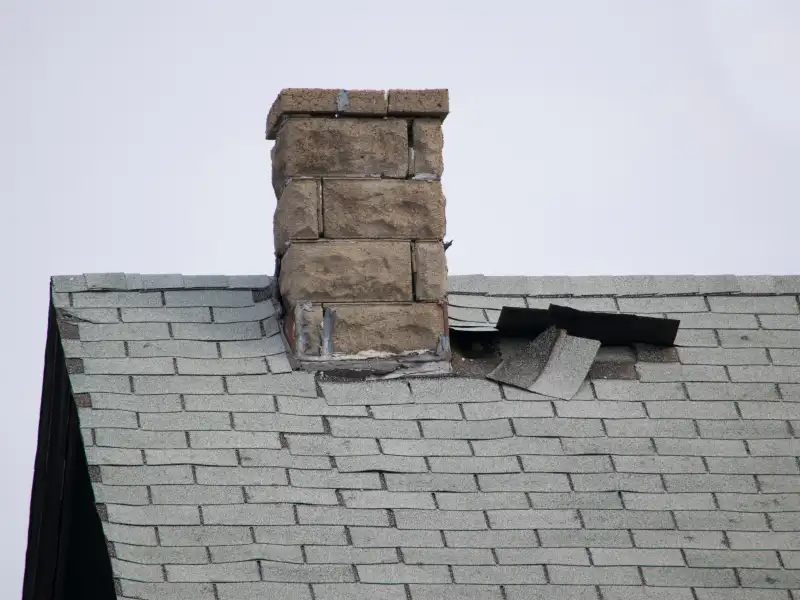
Next, locate the hole and inspect the surrounding area. Damage is often wider than it first appears. Remove the shingles around the hole carefully so nearby materials stay intact.
Cut out any damaged decking beneath the opening. The surface must be solid before repairs continue. Install new tar paper over the exposed area to restore the moisture barrier. Then fit a new piece of decking, securing it firmly in place.
Apply new shingles so they align with the existing roof pattern. Finish by sealing edges and nail heads with roofing cement to prevent leaks. Done correctly, this method can fix hole in roof issues caused by minor damage.
Common Causes of Roof Holes
Storm damage is one of the most common reasons holes appear. High winds and falling branches can puncture shingles and decking.
Old satellite dishes or roof vents that were removed improperly often leave weak spots behind. Over time, aging materials break down, especially on older roofs with worn shingles.
Animals are another cause. Raccoons, squirrels, and birds can tear through roofing materials to create nesting spaces, leading homeowners to suddenly need to fix hole in roof problems they didn’t see coming.
When to Call a Professional
Some situations should never be handled alone. If you notice sagging areas, soft decking, or water stains spreading inside the home, structural damage may be present.
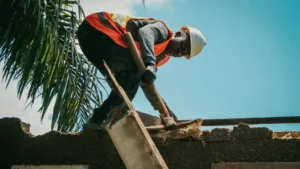
Large holes or multiple damaged areas usually mean deeper issues beneath the surface. Safety concerns, such as steep roofs or poor weather conditions, are also clear signs to stop and call a professional.
An experienced roofer can properly inspect the area and fix hole in roof damage before it affects the rest of your home.
Final Thought
Roof holes rarely stay small. Acting early protects your home, saves money, and prevents interior damage. While minor repairs may be manageable, knowing your limits is key.
If you’re unsure about the extent of the damage or want a long-lasting repair, the safest next step is to contact us for a professional roof inspection. Our team can assess the issue, recommend the right solution, and help you avoid costly repairs down the road. A quick inspection today can prevent much bigger problems tomorrow.
Join Our Community
Join our community on Facebook, and don’t forget to subscribe to us on YouTube for new content each week.
FAQs
1. How serious is a small hole in the roof?
Even small holes allow water, pests, and air inside, leading to leaks, insulation damage, and mold if not repaired quickly.
2. Can I fix a hole in my roof myself?
Minor holes may be DIY-friendly, but steep roofs, large damage, or structural issues require professional repair.
3. What causes holes to form in roofs?
Common causes include storm damage, fallen branches, aging materials, removed vents, and animal activity.
4. How long can a roof hole go unrepaired?
Delaying repairs increases the risk of water damage and higher repair costs. Early fixes prevent major issues.
5. When should I call a roofing professional?
Call a professional if the hole is large, multiple areas are damaged, or safety risks are present.