Whether you’re dealing with storm damage, aging shingles, or planning a new construction project, one of the most common questions homeowners ask is: how long does it take to install a roof? The truth is, there is no one-size-fits-all answer. The timeline for a roofing project depends on several factors, including the size and complexity of your home, the type of roofing material, weather conditions, and the experience and size of your contractor’s crew.
In this comprehensive guide, we’ll break down everything you need to know about roofing timelines — from small repairs to full-scale installations — so you can plan your project realistically and avoid surprises.
Quick Answer: Typical Roofing Timelines at a Glance
For homeowners who just want a general idea, here’s a snapshot of how long common roofing projects usually take from start to finish:
-
Small home (under 1,500 sq ft) with asphalt shingles: 1 day
-
Average home (1,500–3,000 sq ft) with asphalt shingles: 1–2 days
-
Large or complex home (3,000+ sq ft): 3–5 days
-
Metal roofing: 2–5 days
-
Tile or slate roofing: 5–10+ days
-
Flat/low-slope roofing: 1–3 days
These timelines refer to the actual installation work, not the entire project. Keep reading to understand what influences these numbers and how to plan for your roofing project efficiently.
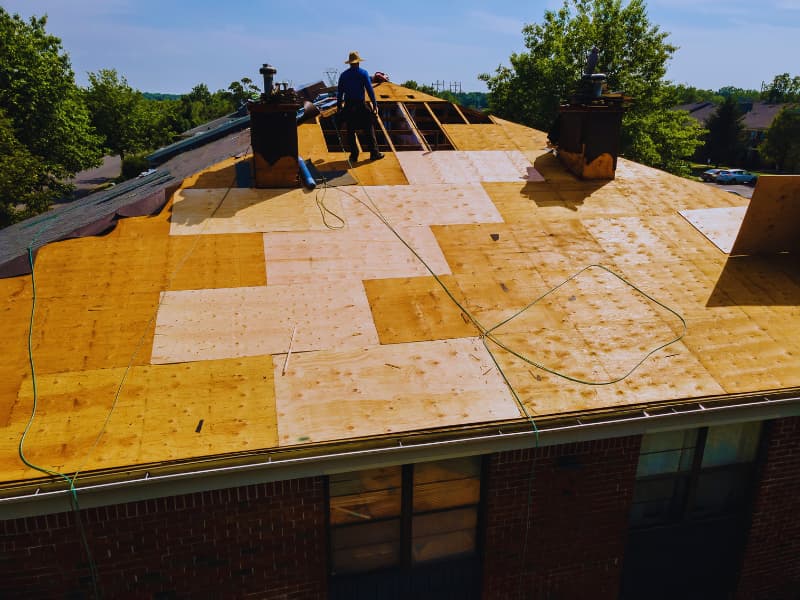
Factors That Affect How Long a Roof Takes
No two roofing projects are exactly alike. Here are the main variables that determine how long does it take to install a roof for your specific situation:
1. Roof Size and Pitch
The larger the roof, the more materials and labor are required. Additionally, the pitch — or steepness — of the roof dramatically affects installation time. A steep roof takes longer to work on safely than a flat or low-slope roof. For example, a 2,000 sq ft ranch-style home with a low-slope roof may be completed in a single day, whereas a 2,000 sq ft steeply pitched roof could take two or more days.
2. Roofing Material
The type of roofing material you choose plays one of the biggest roles in determining project length.
| Material | Description / Notes | Typical Installation Time |
|---|---|---|
| Asphalt Shingles | Most common and fastest option; standard crew can cover 1,000–2,000 sq ft per day | 1–2 days for the average home |
| Metal Panels | Faster than tile but requires precise measuring and cutting | 2–5 days |
| Clay or Concrete Tile | Heavy and fragile; requires careful placement | 5–10 days |
| Slate | Requires skilled artisans; labor-intensive | 1–2 weeks for larger homes |
| Green Roof (Living Roof) | Involves extra layers, soil, and plants | A few days for small projects; 1–2 weeks for large/complex roofs |
3. Roof Complexity
A simple gable roof (two slopes) is much faster to install than a hip roof with multiple valleys, dormers, skylights, or chimneys. Each additional feature requires flashing, waterproofing, and extra labor, which slows down progress. A simple ranch-style roof may be done in a day, but a Victorian-style home with multiple gables could take a week or more.
4. Tear-Off vs. Overlay
Removing the old roof completely (“tear-off”) adds extra time — usually half a day to a full day. Some roofs can be overlaid with new shingles without removing the old layer, but this is typically discouraged due to added weight and reduced roof longevity. Whether you’re asking how long does it take to install a new roof or just replacing a few shingles, the tear-off process is a critical factor.
5. Crew Size
The number of roofers assigned to your project matters. A crew of four experienced roofers will naturally finish faster than a two-person team. Larger companies may have multiple crews, enabling them to complete bigger projects in fewer calendar days. Always ask your contractor about the crew size and how it may affect the timeline.
6. Weather Conditions
Since roofing is an outdoor task, the weather can delay progress. Rain, high winds, extreme heat, or freezing temperatures can halt work. Asphalt shingles should not be installed below 40°F, as they may crack or fail to seal properly. Allow for at least a day or two of weather-related delays, especially in climates with unpredictable conditions.
7. Decking Repairs
Once the old roof is removed, the crew inspects the decking (usually plywood or OSB). Any damage, rot, or water issues must be repaired before installing the new roof. These repairs can add hours or even days, depending on severity.
Breaking Down the Process: Day by Day
Understanding the day-to-day process helps set realistic expectations for homeowners asking how long does it take to install a roof:
| Day | Tasks / Process | Notes |
|---|---|---|
| Day 1: Tear-Off and Preparation | – Crew sets up safety equipment and materials- Old shingles, underlayment, and flashing removed- Decking inspected and repaired if needed- New underlayment or moisture barrier installed | The tear-off process adds extra time if old roofing is damaged or complex. |
| Day 2: Installation | – New roofing material installed starting at the eaves- Flashing installed around chimneys, vents, and valleys- Ridge cap applied at the roof peak- Gutters and drip edges checked or replaced | This is the main installation phase for most average-sized homes. |
| Day 3 (if needed): Finishing and Cleanup | – Final sections completed for larger or complex roofs- Crew performs a final inspection- Debris cleared and magnetic sweep collects nails- Contractor walks homeowner through the completed project | Larger, steep, or complex roofs may require this extra day to ensure quality and safety. |
How Long Does the Full Project Take — Start to Finish?
The actual installation is only one part of the overall timeline when considering how long does it take to install a roof. From the initial planning stage to project completion, several steps add to the total duration. First, getting quotes from multiple contractors usually takes 1–2 weeks. If permits are required, approval can take anywhere from a single day up to 2 weeks, depending on local regulations.
Ordering and receiving materials generally requires a few days to a week, and scheduling with your contractor can take 1–4 weeks, especially during peak seasons like spring or fall. The installation itself typically takes 1–5 days, depending on your roof’s size, complexity, and material. When all these steps are combined, homeowners can generally expect the full roof replacement process to take 2–6 weeks from start to finish. Emergency repairs, such as those due to storm damage, are often prioritized and may be completed more quickly.
Tips to Keep Your Roofing Project on Schedule
To minimize delays and ensure a smooth installation, start by booking early, as popular contractors often fill their schedules weeks in advance, and waiting until a leak appears can cause unnecessary stress. Choosing the optimal seasons for your project also helps — spring and fall typically offer the most favorable weather, while rainy seasons can lead to unavoidable delays.
Selecting readily available materials is another way to stay on track; standard asphalt shingles are usually in stock, but specialty tiles, metal panels, or green roof components may require longer lead times. It’s important to plan a buffer for unexpected issues such as weather interruptions or decking repairs, giving you extra days in your schedule. Finally, prepare your property by moving vehicles, protecting plants, and clearing outdoor furniture to provide easy access for the crew, ensuring the project runs efficiently from start to finish.
Final Thoughts
For most homeowners with an average-sized home and asphalt shingles, a roof replacement generally takes 1–3 days of actual installation work. However, the complete project, including scheduling, permits, and material delivery, usually spans 3–6 weeks.
Knowing how long does it take to install a roof helps you plan your home improvement projects more accurately and reduces stress. Always request multiple quotes, ask about crew size and timeline, and leave room for unexpected delays. After all, a roof is a major investment in your home — it’s worth doing right.
Whether you’re curious how long does it take to install a new roof, a metal roof, or a green roof, understanding the process helps you stay on track and make informed decisions.
FAQs
1. How long does it take to install a roof on an average home?
1–3 days for asphalt shingles; larger or complex roofs may take longer.
2. How long does it take to install a metal roof?
Typically 2–5 days, depending on size and roof complexity.
3. How long does it take to install a green roof?
Small projects: a few days; large/complex roofs: 1–2 weeks.
4. Does a tear-off affect roof installation time?
Yes, a tear-off can add 0.5–1 day to the installation timeline.
5. Can weather delay roof installation?
Absolutely. Rain, wind, or extreme temperatures can stop work entirely.