A small leak on a flat roof can turn into a serious problem faster than most property owners expect. Water doesn’t just drip straight down; it spreads across the surface, soaks insulation, and weakens the structure below. That’s why flat roof leak repair should always be treated as urgent.
Flat roofs are more prone to leaks because water drains slowly, seams remain exposed, and roofing materials expand and contract with temperature changes. In this article, you’ll learn how to identify a flat roof leak, what tools and materials are required, how the repair process works step by step, and when it’s best to call a professional.
Identifying Your Flat Roof Leak
Spotting the problem early makes flat roof leak repair much easier and less costly.
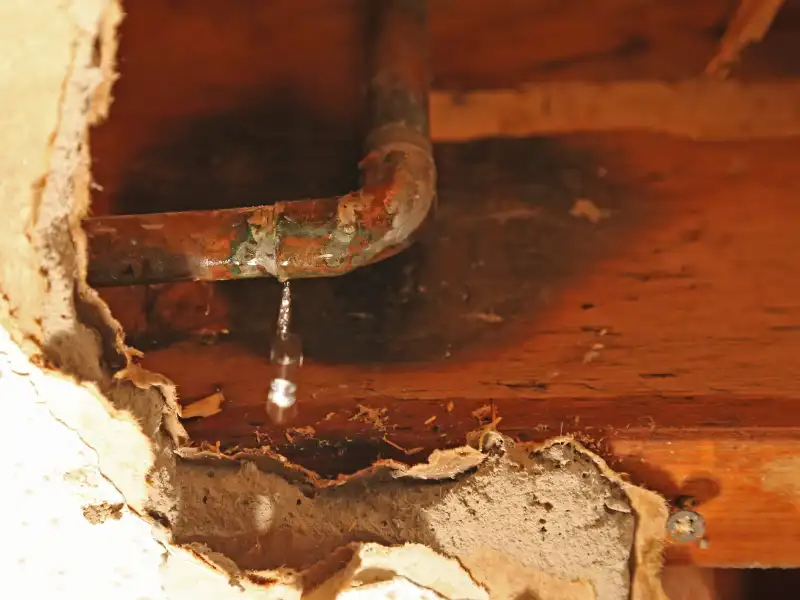
Common signs include water stains on ceilings or walls, mold or mildew smells, damp insulation, and ponding water that stays on the roof long after rainfall. Inside the building, peeling paint or bubbling drywall often indicates moisture intrusion.
To trace the leak, inspect the roof area directly above the interior damage. Leaks often travel before becoming visible indoors. Carefully check seams, flashing around vents and HVAC units, roof edges, and any penetrations. These weak points are the most frequent causes of leaking flat roof repair problems.
Why Flat Roofs Leak More Than Pitched Roofs
Flat roofs are more vulnerable to leaks than pitched roofs because of how they are designed and how water behaves on their surface. While flat roofs are practical and cost-effective, their structure creates conditions where moisture problems can develop more easily if maintenance is neglected.
One of the biggest reasons flat roofs leak is slow drainage. Unlike sloped roofs that naturally shed water, flat roofs rely on internal drains, scuppers, or slight slopes to move water off the surface. When drains clog or slopes are insufficient, water can sit on the roof for extended periods. This ponding water increases pressure on the roofing membrane and can eventually find its way through small cracks or weak seams.
Another major factor is continuous membrane exposure. Flat roofs use a single-layer or multi-layer membrane system that remains fully exposed to the elements. Over time, UV rays, rain, wind, and debris cause the membrane to dry out, crack, or separate at seams. Once the membrane is compromised, even minor damage can lead to a flat roof leak that spreads beneath the surface before it becomes visible inside.
Thermal movement also plays a significant role. Flat roofing materials expand in heat and contract in cooler temperatures. This repeated movement stresses seams, flashing, and penetrations around vents or HVAC units. As materials shift, small gaps can form, creating common entry points for water.
Because of these factors, flat roofs require more frequent inspections and proactive maintenance than pitched roofs. Understanding why flat roofs leak more often highlights the importance of timely flat roof leak repair to prevent small issues from turning into widespread damage.
Tools and Materials Needed for Flat Roof Leak Repair
Having the right equipment is essential for effective roof leak repair and flat roof work.
Basic tools typically include a broom or stiff brush, a utility knife, a putty knife, a measuring tape, and a roller or brush for applying coatings. Repair materials may include roofing sealants for small cracks, reinforced patches for larger holes, and compatible roofing membranes designed for flat roofs.
Safety equipment is just as important. Wear gloves, eye protection, and non-slip footwear. Even flat roofs can be hazardous, especially when wet or uneven.
Step-by-Step Flat Roof Leak Repair Process
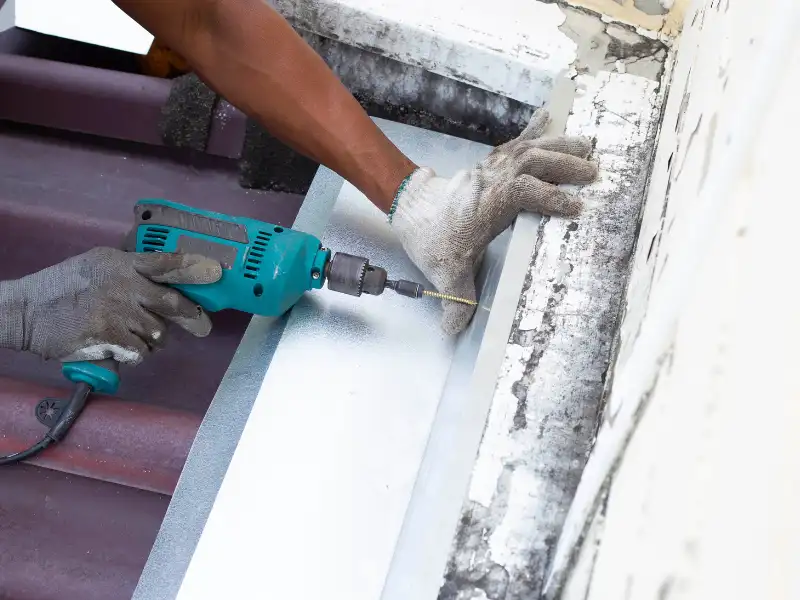
Most flat roof leak repair jobs follow a consistent process.
First, clean and prepare the damaged area. Remove dirt, debris, and loose roofing material so the repair bonds properly. The surface must be completely dry before applying any product.
Small cracks or pinholes can usually be sealed with roofing caulk. Apply it evenly and press it firmly into the damaged area to create a watertight seal.
For larger leaks, apply a roofing membrane patch. Cut the patch larger than the damaged area, secure it with sealant, and smooth it out to remove air pockets. This method is commonly used in flat roof repair because it provides strength and flexibility.
After patching, applying a roof coating can add an extra layer of protection. Coatings help seal minor imperfections and reduce future wear. If blisters or bubbles are present, carefully open them, allow moisture to escape, dry the area, and patch it correctly to prevent recurring leaks.
When to Call a Professional
Not every flat roof issue should be handled alone. If leaks continue to return, affect a large section of the roof, or involve structural damage, professional help is necessary.
Cost is another consideration. While small repairs may seem affordable, repeated temporary fixes can become expensive. Professional flat roof leak repair often provides a long-term solution by addressing the underlying cause.
Experienced roofers also have access to specialized tools and materials and can identify hidden issues that may not be obvious during a basic inspection.
Early Warning Signs of Flat Roof Damage
Recognizing early warning signs of flat roof damage can help you address problems before they turn into major leaks or structural issues. Flat roofs often show subtle symptoms at first, and catching them early makes flat roof leak repair faster, easier, and far less expensive.
One of the most common early signs is standing or ponding water. If water remains on the roof for more than 48 hours after rainfall, it can gradually weaken the roofing membrane and increase the risk of leaks. Persistent ponding usually indicates drainage issues that should be corrected promptly.
Surface cracks, blisters, or bubbles in the roofing material are another red flag. These form when moisture becomes trapped beneath the membrane or when the material deteriorates from UV exposure. If left untreated, these weak spots can rupture and allow water to penetrate the roof system.
Inside the building, watch for musty odors, peeling paint, or bubbling drywall. These signs often appear before visible water stains and suggest moisture is already present within the roof assembly. Insulation that stays damp for long periods can lose its effectiveness and promote mold growth.
Loose or damaged flashing around vents, skylights, and HVAC units is also an early indicator of flat roof problems. Flashing failures are among the most common causes of leaks and should be repaired as soon as they are noticed.
By paying attention to these early warning signs, property owners can take action before small issues escalate. Regular inspections and timely flat roof leak repair help extend the life of the roof and prevent costly interior damage.

Final Thought
Regular maintenance is the best defense against future leaks. Keep drains clear, inspect seams and flashing, and repair small issues early to avoid costly damage. A well-maintained flat roof can perform reliably for many years. If you’re unsure about the severity of the damage or want a long-term solution, now is the right time to act. Contact us today to schedule an inspection with a qualified roofing professional and protect your property with dependable flat roof leak repair.
Join Our Community
Join our community on Facebook, and don’t forget to subscribe to us on YouTube for new content each week.
FAQs
1. What causes flat roof leaks?
Flat roof leaks are often caused by ponding water, damaged seams, cracked membranes, or failing flashing around roof penetrations.
2. How do I know if my flat roof is leaking?
Common signs include water stains, mold smells, bubbling paint, and standing water that remains long after rain.
3. Can I fix a flat roof leak myself?
Small cracks or minor damage can be repaired, but recurring leaks or large areas usually require professional repair.
4. How long does flat roof leak repair last?
Proper flat roof leak repair can last many years, especially when followed by routine inspections and maintenance.
5. When should I call a professional for flat roof leak repair?
Call a professional if leaks keep returning, cover a wide area, or involve insulation or structural damage.