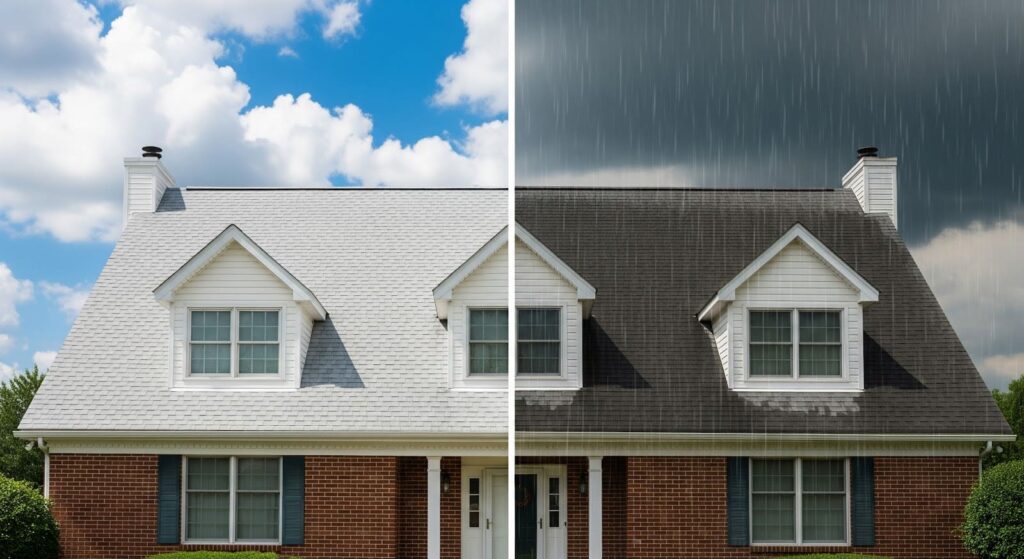
Ignoring small roofing problems can cost homeowners thousands of dollars in unexpected repairs. What starts as a minor leak or loose shingle often grows into structural damage, mold growth, and insulation failure. Most Roofing Issues develop slowly, which is why early detection is one of the most effective ways to protect your home and budget.
In this guide, you’ll learn how to identify the most common roofing problems, understand how weather accelerates roof damage, and discover practical prevention strategies to extend your roof’s lifespan.
Roof Leaks and Water Damage
Roof leaks are among the most common and destructive roofing problems homeowners face.
Signs to Watch For
-
Water stains on ceilings or walls
-
Damp spots in the attic
-
Peeling paint or bubbling drywall
Common Causes
-
Failing flashing around chimneys and vents
-
Damaged or aging shingles
-
Poor attic ventilation is causing condensation
While small leaks may seem manageable, hidden moisture can lead to rot and mold. DIY repairs may work for minor sealant issues, but recurring roof leaks usually require professional inspection to prevent long-term damage.
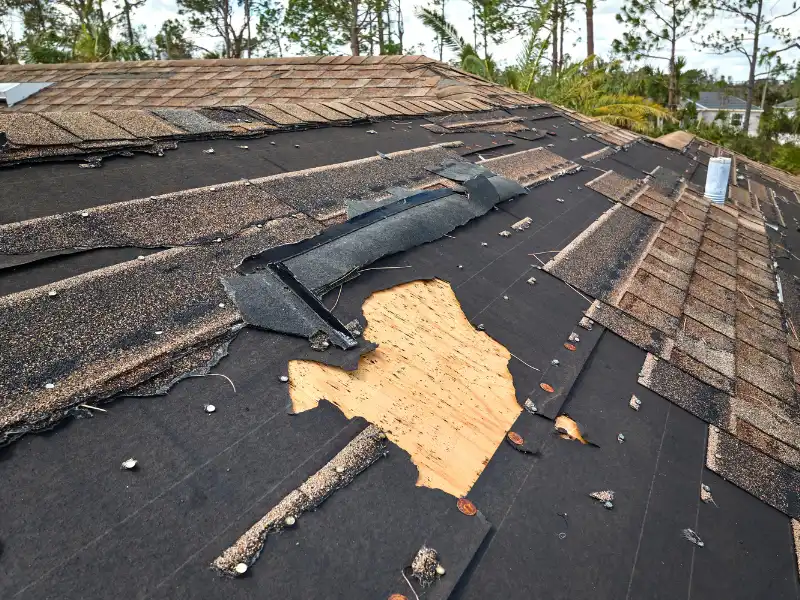
Damaged or Missing Shingles
Shingles are your roof’s first line of defense against the elements. Damaged shingles leave your roof vulnerable to water infiltration and heat loss.
Types of Shingle Damage
-
Cracked or brittle shingles
-
Curled or lifted edges
-
Missing shingles after storms
Weather-related stress, like high winds, UV exposure, and temperature changes, often causes this damage. Isolated shingle problems can be repaired, but widespread deterioration usually signals it’s time for replacement.
Poor Attic Ventilation
Many homeowners overlook attic ventilation, yet it plays a critical role in roof health. Poor airflow traps heat and moisture, accelerating shingle aging and causing condensation buildup.
Warning Signs
-
Excessive attic moisture
-
Higher energy bills
-
Ice dams form in winter
Upgrading attic ventilation systems helps regulate temperature, reduces moisture damage, and prevents many Common roof problems before they begin.
Clogged or Damaged Gutters
Your gutters directly affect your roof’s condition. When gutters are clogged, water backs up and seeps under roofing materials.
Consequences of Gutter Problems
-
Standing water near the roof edges
-
Fascia and soffit rot
-
Foundation drainage issues
Regular gutter cleaning and proper downspout alignment prevent water damage and protect both the roof and exterior structure.
Flashing Problems
Flashing seals roof joints and penetrations, making it essential for leak prevention.
Common Failure Points
-
Chimneys
-
Skylights
-
Roof vents
Flashing issues often develop due to poor installation or metal corrosion. Because these areas are complex, professional repairs ensure proper sealing and long-term durability.
Standing Water on Flat Roofs
Flat and low-slope roofs are prone to ponding water. Standing water weakens roofing membranes, increases leak risk, and shortens roof lifespan. Proper drainage design and timely repairs are critical for preventing recurring Roofing Issues on flat roofs.
Improper Installation Issues
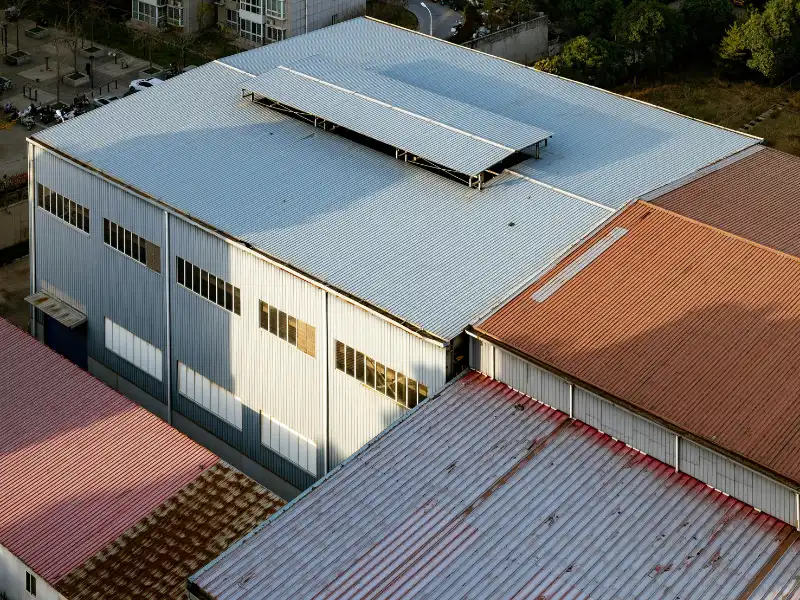
Even high-quality materials fail when installed incorrectly. Improper nailing, poor flashing placement, and inadequate ventilation during installation often cause premature roof failure. Professional installation is one of the most effective ways to avoid early roofing problems.
Ice Dams in Cold Climates
Ice dams form when heat escapes through the roof, melting snow that refreezes at the eaves. This traps water under shingles and leads to leaks and interior damage. Proper insulation and attic ventilation are key prevention methods.
Pest Infestations
Small animals and insects can create entry points by damaging shingles, vents, and soffits. Left unchecked, pests worsen existing Roofing Issues and compromise insulation and wood structures.
General Aging and Wear
All roofs age over time. Granule loss, weakened seals, and material fatigue are natural but predictable. Regular inspections help identify wear early and plan repairs before failure occurs.
How Weather Causes Roofing Issues
Weather plays a major role in roof deterioration, and each season presents unique risks.
Storm Damage: Wind and Hail Roof Repair Concerns
-
Lifted shingles from strong winds
-
Hail impact bruising and granule loss
-
Debris punctures after severe storms
Post-storm inspections help identify hidden damage before leaks appear.
Winter Roofing Issues
-
Ice dam formation
-
Heavy snow loads
-
Freeze-thaw expansion damage
Preventive insulation and ventilation upgrades reduce winter-related roof stress.
Heat and UV-Related Roof Repair Concerns
-
Shingle drying and cracking
-
Thermal expansion stress
-
Accelerated aging from UV exposure
Heat-resistant materials and proper ventilation protect roofs in hot climates.
Rain and Moisture Roofing Issues
-
Slow-developing leaks
-
Mold and mildew growth
-
Drainage failures
Consistent maintenance keeps moisture-related damage under control.
Prevention Strategy: Protecting Your Roof Year-Round
A proactive maintenance plan prevents costly Roof deterioration issues and extends roof life.
Seasonal Checklist
-
Inspect shingles and flashing twice a year
-
Clean gutters regularly
-
Check attic ventilation and insulation
-
Schedule professional inspections annually or after major storms
Final Thoughts
Roof damage rarely happens overnight. Most serious Roofing Issues start small and worsen over time. Regular inspections, timely repairs, and weather-aware maintenance are the best ways to protect your investment. If you notice persistent leaks, visible shingle damage, or rising energy costs, it’s time to call a professional or contact us to schedule a thorough roof inspection and get expert guidance. Preventive care today can save you thousands tomorrow and keep your home safe in every season.
Join Our Community
Join our community on Facebook, and don’t forget to subscribe to us on YouTube for new content each week.
FAQs
1. What are the most common Roof deterioration issues?
Roof leaks, damaged shingles, flashing failures, clogged gutters, and poor attic ventilation are the most common roofing problems homeowners face.
2. How do Roof deterioration issues usually start?
Most roofing problems begin with minor damage from weather, aging materials, or poor installation and worsen when left unaddressed.
3. Can weather cause Roof-related issues?
Yes. Wind, hail, heat, rain, and freezing temperatures all contribute to Roof-related issues by weakening materials and causing leaks.
4. How often should roofing issues be inspected?
Roofs should be inspected at least once a year and after major storms to catch roofing issues early.
5. When should I call a professional for Roof-related issues?
If you notice leaks, missing shingles, moisture buildup, or rising energy bills, a professional inspection is recommended.